AI for Environmental Damage: Your Anti-Pollution Shield
Read about AI for Environmental Damage: Your Anti-Pollution Shield on Cosmi Skin


AI as Your Environmental Sentinel: Protecting Our Planet
Uncover how artificial intelligence is transforming the battle against ecological degradation, from optimizing our consumption of vital resources to delivering bespoke anti-pollution strategies for your personal well-being. This advanced technological marvel serves as your indispensable guardian against environmental threats.
TL;DR: AI's Role in Combating Environmental Harm
- AI stands as a formidable bulwark against pollution,精 streamlining resource utilization and sharpening environmental oversight.
- From intelligent power grids to customized dermatological care, AI provides precise remedies for pollution's varied impacts.
- Implementing AI responsibly is paramount to forging a more sustainable, healthier future for everyone.
Key Takeaway: AI furnishes a meticulously engineered defense mechanism against the pervasive challenges of environmental deterioration, translating intricate data into actionable intelligence for both preservation and restoration.
The Pressing Demand for an Environmental Guardian

Our world is grappling with unparalleled ecological dilemmas. The prevalent contamination of air and water, coupled with escalating climate shifts and dwindling natural assets, clearly signals an urgent requirement for sophisticated interventions. The ramifications of environmental harm aren't just theoretical; they directly affect our health, compromise our ecosystems, and even diminish the vibrancy of our skin. Broad, generalized responses are no longer adequate to counter these intricate, interwoven predicaments.
Value: AI as the Planet's Protector
Artificial Intelligence (AI) emerges as a potent, revolutionary force in this crucial struggle, serving as an essential anti-pollution shield. AI's remarkable capability to process vast quantities of data, discern complex patterns, and forecast forthcoming trends unlocks solutions previously beyond our grasp. It enables us to transcend mere reactionary measures, instead offering proactive, insight-driven methodologies for a healthier global environment and a more resilient individual.
Steps: Deciphering AI's Defensive Prowess
- Insightful Data Assessment & Foresight: AI meticulously processes immense volumes of environmental data, pinpointing areas of high pollution and projecting future hazards.
- Optimized Resource Allocation: It intelligently learns to refine energy usage, waste processing, and agricultural practices, thereby diminishing our collective ecological footprint.
- Continuous Real-Time Oversight: AI-driven sensors and aerial drones provide unceasing vigilance, detecting anomalies and facilitating swift intervention.
Key Takeaway: AI offers a precision-driven defense against the sweeping challenges of environmental damage, converting complex data into actionable insights for protection and restoration.
Next Up: We will delve into the various sectors where AI is actively deployed as an anti-pollution shield.
Key Takeaway: AI offers a precision-driven defense against the sweeping challenges of environmental damage, converting complex data into actionable insights for protection and restoration.
AI in Action: Safeguarding Industries from Ecological Harm
AI is not merely a theoretical construct; it is an active participant in addressing environmental degradation across a spectrum of industries. From the power we consume to the food we cultivate, AI is fundamentally altering how various sectors approach sustainability and pollution mitigation. To grasp the breadth of these applications, explore the 100 powerful AI solutions driving sustainability across industries.
Value: Intelligent Solutions for Intricate Issues
AI's core strength lies in its capacity to deliver clever, efficient, and scalable remedies for complex ecological dilemmas. By automating processes, optimizing the distribution of resources, and furnishing predictive insights, AI substantially curtails waste, lowers emissions, and bolsters the sustainability of industrial operations globally. This translates into tangible advantages for our planet and, by extension, for all of humanity.
Steps: Sector-Specific AI Deployments
Here’s how AI actively functions as an anti-pollution shield in vital industries:
- Energy & Utilities:
- Intelligent Grid Management: AI orchestrates energy flows, seamlessly integrating renewable sources, forecasting consumption patterns, and cutting energy use by impressive margins, with industry sources reporting reductions of up to 40%. This lessens reliance on fossil fuels and significantly reduces atmospheric pollutants. Insights into how AI revolutionizes green energy forecasting can be found at Onix-Systems.com.
- Wind & Solar Optimization: AI fine-tunes the orientation of wind turbines and the upkeep of solar panels, maximizing the output of clean energy.
- Agriculture:
- Precision Hydration: AI determines precise water requirements based on soil moisture levels and meteorological data, minimizing wastage and enhancing crop yields.
- Crop Surveillance & Pest Forecasting: Drones paired with AI detect plant distress and anticipate pest infestations, thereby reducing the need for pesticides and fertilizers, and safeguarding soil vitality.
- Waste Management:
- Automated Segregation & Collection: AI-powered robots sort recyclable materials, while algorithms streamline waste collection routes, decreasing fuel consumption and methane emissions emanating from landfills.
- Effluent Treatment: AI scrutinizes water quality in real-time, adjusting chemical dosages for effective purification.
- Manufacturing:
- Proactive Maintenance: AI anticipates machinery malfunctions, reducing operational downtime and material spoilage, leading to more energy-efficient production lines.
- Sustainable Material Procurement: AI identifies environmentally conscious suppliers and optimizes packaging designs, thereby minimizing carbon footprints.
- Transportation:
- Route Optimization: AI computes the most fuel-efficient pathways for logistics and public transit, drastically cutting emissions and traffic congestion.
- Electric Vehicle Charging Oversight: AI intelligently manages electric vehicle charging to prevent grid overload and maximize the utilization of renewable energy.
- Climate & Environmental Monitoring:
- Atmospheric Quality Surveillance: AI analyzes sensor data to provide immediate pollution alerts and inform policy formulation, safeguarding public health.
- Deforestation & Wildlife Tracking: Satellite imagery combined with AI monitors diverse ecosystems, detecting illicit logging and animal populations, which is vital for conservation efforts.
Key Takeaway: AI’s diverse applications provide a sophisticated, multi-layered anti-pollution shield, enhancing efficiency and driving sustainability across the most critical sectors.
Next Up: Let’s discover how this powerful AI can extend its protective embrace to your personal health and well-being.
Key Takeaway: AI’s diverse applications provide a sophisticated, multi-layered anti-pollution shield, enhancing efficiency and driving sustainability across the most critical sectors.
Your Personal Anti-Pollution Shield: AI-Powered Protection for Your Well-being
While AI addresses environmental damage on a grand scale, its protective capabilities also extend directly to you, specifically in mitigating the individual impacts of pollution. Environmental aggressors, ranging from microscopic particulate matter in the air to chemical residues, profoundly affect our skin's vitality, leading to concerns such as dullness, premature aging, breakouts, and redness. Conventional remedies often fall short, leaving us susceptible.
Value: Customized Defense for Vibrant Health
Envision an anti-pollution barrier precisely calibrated to your distinct requirements. This is where cutting-edge AI truly excels, revolutionizing how we safeguard our personal health. By delivering individualized insights and targeted solutions, AI empowers you to actively counteract environmental damage, ensuring your skin maintains its luminosity and resilience. It signifies intelligent, advanced, and expert protection that transcends generic, one-size-fits-all approaches.
Steps: Harnessing AI for Individual Protection
- Discern Your Specific Exposure: Employ AI-enhanced tools that analyze local air quality and environmental metrics, providing a clearer understanding of the pollution threats in your immediate surroundings. This personalized awareness forms the cornerstone of your protective regimen.
- Embrace Tailored Skincare Solutions: Utilize specialized online insights and AI-powered platforms that offer personalized routines and intelligent product recommendations. Such virtual dermatologists assess your skin's unique condition and concerns, like dryness, acne, or redness, crafting bespoke morning, afternoon, and evening regimens. This advanced, data-driven methodology ensures your skin receives the exact care it requires to combat pollution-induced issues and achieve optimal hydration and a luminous complexion. For example, a leading platform for personalized skincare offers over 7,676 generated reports for its users.
- Monitor and Adapt with Data-Driven Insights: Continuously track your skin's improvement. Platforms providing comprehensive skincare reports enable you to visually gauge progress and comprehend the efficacy of your routine. Customized notifications deliver timely expert advice, helping you adjust your anti-pollution strategy as circumstances demand.
- Adopt Prudent Lifestyle Choices: Leverage AI-driven applications that propose optimal timings for outdoor activities based on air quality, or suggest eco-conscious products that minimize your personal ecological footprint.
Key Takeaway: Personalized AI solutions, exemplified by innovative online platforms, offer an unparalleled anti-pollution shield, safeguarding your skin and well-being with tailored, data-driven precision.
Next Up: Let’s explore the critical need for responsible development to maximize AI's environmental benefits.
Key Takeaway: Personalized AI solutions, exemplified by innovative online platforms, offer an unparalleled anti-pollution shield, safeguarding your skin and well-being with tailored, data-driven precision.
Harnessing AI Responsibly: The Path to a Greener Tomorrow
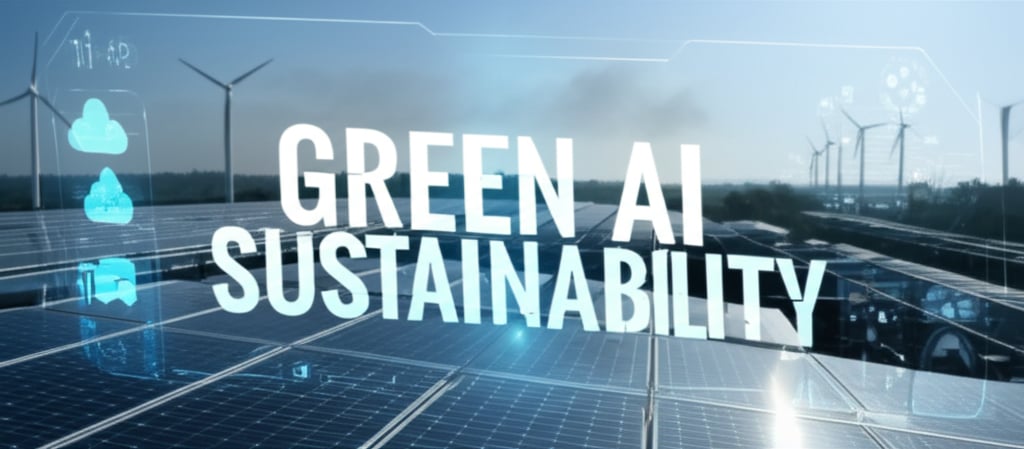
The immense promise of AI as an anti-pollution shield is undeniable, yet its development and deployment inherently carry their own ecological footprint. Substantial AI models necessitate considerable energy for training and operation, and the specialized hardware they run on contributes to electronic waste. Overlooking these impacts would jeopardize AI's sustainability endeavors, creating a "climate conundrum" where the proposed solution itself becomes part of the problem. This underscores why responsible AI development is not just a moral imperative, but a practical necessity for a truly greener future. You can delve into discussions on AI's environmental impact at r/environment or learn about generative AI's environmental impact from MIT News.
Value: Ensuring AI is a Net Positive for Our Planet
To guarantee that AI acts as a net positive force, we must consciously design and implement it with sustainability ingrained at its core. This entails a "prosocial AI" philosophy, where systems are crafted to yield the greatest good for both humanity and the environment. By prioritizing energy efficiency, reliance on renewable power, waste reduction, transparency, and a holistic perspective, we can amplify AI’s protective capacity while mitigating its ecological costs. This steadfast commitment transforms AI from merely a tool into a genuine partner in environmental stewardship. Discover more about harnessing AI responsibly for Earth Day 2025 on Forbes.com.
Steps: Strategies for Sustainable AI Development
Embrace the EARTH framework for ethical AI advancement:
- Energy Efficiency:
- Prioritize AI hardware and algorithms that consume less power. Optimize models for reduced electricity usage.
- Practical Tip: Support research into energy-conscious AI methodologies (e.g., model compression) and critically evaluate the necessity of excessively large models for every task. Explore how AI contributes to surging electricity demand from data centers according to the IEA.
- Alternative Power:
- Advocate for and utilize renewable energy sources to power AI infrastructure, including vast data centers.
- Practical Tip: Select cloud providers and data center collaborators dedicated to 100% renewable energy, such as Google, which aims for 100% carbon-free energy by 2030.
- Reduced Waste:
- Minimize resource depletion and waste generation throughout the entire AI lifecycle, from data acquisition to hardware disposal.
- Practical Tip: Promote data minimization, investigate methods to reduce data transfer, and champion hardware reuse and ethical e-waste recycling. Given the brief 2-5 year lifespan of AI hardware, this is especially critical. You can learn more about the environmental impacts of AI on Neconserve.org.
- Transparency:
- Foster openness in AI development, deployment, and energy consumption to ensure genuine accountability.
- Practical Tip: Encourage clear documentation of AI models, data sources, and ecological footprints. Support initiatives that establish benchmarks for reporting AI's impact, like those discussed in Scientific American regarding generative AI's carbon footprint.
- Holistic Approach:
- Consider the complete environmental, social, and economic ramifications of AI systems across their entire operational lifespan.
- Practical Tip: Integrate diverse viewpoints into the design and review processes, contemplating potential unforeseen consequences and impacts on various stakeholders and the environment. Focus on reconciling local needs with global imperatives. Discussions on broader sustainability topics can be found on r/sustainability.
Key Takeaway: Responsible AI development, guided by principles of energy efficiency, renewable power, waste reduction, transparency, and a holistic view, is essential to ensure AI genuinely functions as a powerful anti-pollution shield.
Next Up: Let's envision the transformative potential of AI for a sustainable world in the years to come.
Key Takeaway: Responsible AI development, guided by principles of energy efficiency, renewable power, waste reduction, transparency, and a holistic view, is essential to ensure AI genuinely functions as a powerful anti-pollution shield.
The Future of AI and a Greener Planet
As we look toward the horizon, the convergence of artificial intelligence, renewable energy innovations, and digital transformation is poised to fundamentally redefine the landscape of sustainability. AI will increasingly serve as the core intelligence behind our anti-pollution shield, constantly learning, adapting, and refining our efforts to safeguard the planet. Its role will expand beyond mere operational efficiency to fostering a regenerative paradigm, where human ingenuity and technological prowess operate in concert with natural systems.
Value: An Empowered Future Through Intelligent Stewardship
A future shaped by AI's contribution to combating environmental damage promises a world where sustainability is not a trade-off but an intrinsic component of progress. With AI as our trusted guide and protector, we can anticipate cleaner air, more vibrant ecosystems, and communities that flourish in equilibrium with their surroundings. This is a future where personalized protection, from expansive ecological systems to the very health of your skin, becomes both achievable and enduring.
Steps: Envisioning Tomorrow's Anti-Pollution Innovations
- AI for a Circular Economy: Future AI systems will expertly manage product lifecycles, facilitating extensive recycling, material reintegration, and waste minimization across all industries, effectively closing the loop on resource consumption.
- Advanced Climate Risk Modeling: AI will significantly enhance the precision of climate change forecasts, integrating colossal datasets to predict and alleviate risks such as extreme weather events and rising sea levels with unprecedented accuracy.
- Regenerative Agriculture with AI: AI will integrate with drone technology and sensor networks to champion regenerative farming practices, restoring natural ecosystems while substantially boosting yields and food security.
- Decentralized AI for Energy: Distributed AI systems will manage localized renewable energy grids, balancing supply and demand in real-time within communities, thereby fostering microgrids and peer-to-peer energy exchanges.
- Comprehensive Biodiversity Tracking: AI will evolve to monitor ecosystems using advanced satellite and drone data, providing immediate insights for conservationists and enabling more effective global environmental protection.
Key Takeaway: The future of AI for environmental damage is bright, promising a deeply integrated, intelligent anti-pollution shield that drives unprecedented levels of sustainability and fosters a thriving, greener world for all.
Next Up: Consider how these AI advancements can influence your daily choices, starting with your personal anti-pollution defense.
Key Takeaway: The future of AI for environmental damage is bright, promising a deeply integrated, intelligent anti-pollution shield that drives unprecedented levels of sustainability and fosters a thriving, greener world for all.
FAQ
How does AI specifically help reduce air pollution?
AI significantly aids in reducing air pollution by offering real-time air quality alerts and predicting future pollutant levels, empowering individuals to make safer choices regarding outdoor activities. It meticulously analyzes data from various monitors and satellite imagery to pinpoint pollution origins and forecast potential spikes. These crucial insights also assist policymakers in crafting targeted strategies for effective emissions reduction.
Can AI help with water conservation?
Absolutely. AI proves invaluable in water conservation through multiple applications. Sensors embedded in water distribution networks feed data to AI systems that identify patterns indicative of leaks, thereby minimizing water wastage. Furthermore, AI analyzes weather forecasts and soil conditions to fine-tune irrigation schedules, ensuring water is applied only when and where it's genuinely necessary.
What is the environmental impact of AI itself, and how is it being addressed?
AI systems, especially large models, demand substantial energy for their training and operation, and their specialized hardware contributes to electronic waste. This impact is being proactively addressed through several initiatives: optimizing AI algorithms and hardware for lower power consumption; powering data centers with 100% renewable energy sources; and promoting data minimization, along with responsible e-waste recycling. Increased transparency in reporting AI's environmental footprint also plays a critical role in driving accountability.
How can AI help individuals protect themselves from environmental pollution?
AI offers tailored protection by providing real-time air quality and environmental data specific to your location, allowing for informed personal decisions. Advanced online platforms utilize AI to analyze individual skin conditions and recommend personalized routines and products designed to counteract the damaging effects of pollution. Additionally, AI-driven applications suggest optimal times for outdoor activities or recommend eco-friendly product choices to minimize personal exposure and reduce individual environmental footprints.
What are some future trends for AI in sustainability?
Looking ahead, AI is poised to drive several transformative trends in sustainability. It will enhance the management of product lifecycles for a truly circular economy, maximizing recycling and reuse of materials. AI will also facilitate more accurate predictions for extreme weather events and sea-level rise through advanced climate risk modeling. Furthermore, it will enable regenerative agriculture through AI-powered techniques for restoring ecosystems while boosting crop yields. Lastly, AI will contribute to the management of decentralized energy grids for community-level resilience and provide advanced monitoring of ecosystems for effective global biodiversity tracking.
Tags
Related Articles

AI-Powered Customization: The Essential Future of Skincare

AI Skincare for Tropical Climates: Adapt & Thrive