Your AI Cosmetologist: The Future of Personalized Beauty
Read about Your AI Cosmetologist: The Future of Personalized Beauty on Cosmi Skin
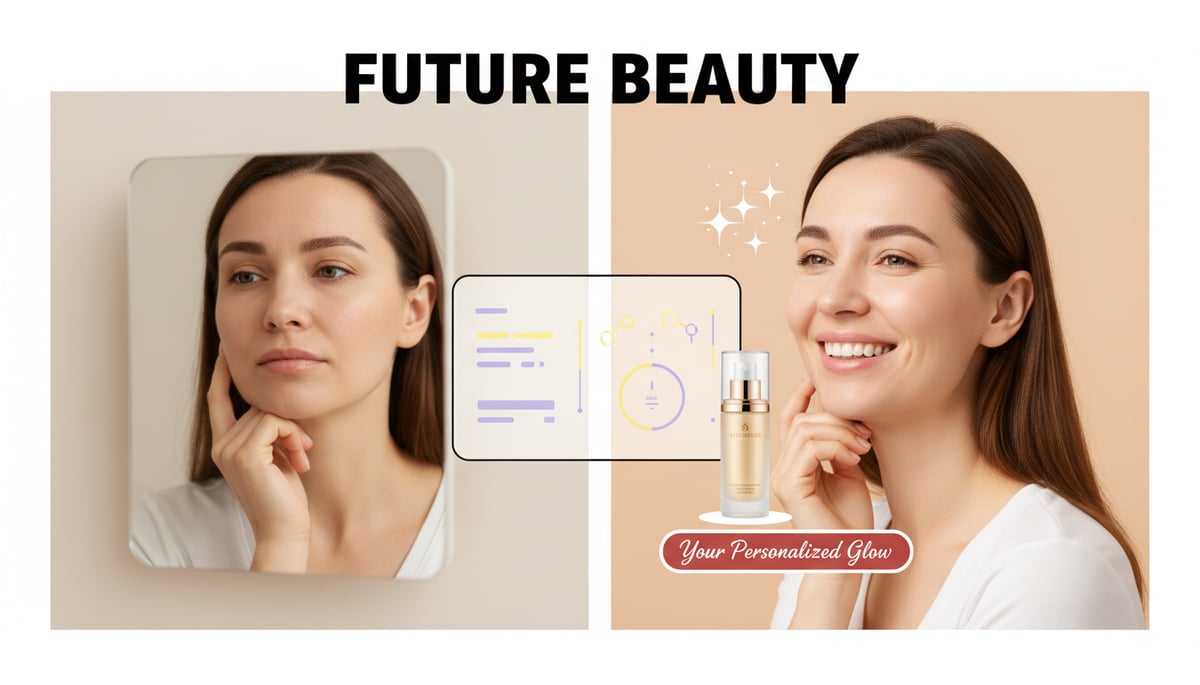
Imagine stepping into a sleek Los Angeles clinic, not for a lengthy consultation, but for a three-minute, AI-powered skincare session where robots precisely tailor treatments just for you. This isn't a scene from a futuristic film; it's happening right now.
The world of beauty, long shaped by trends and personal preference, is undergoing a profound transformation. Artificial intelligence is rapidly evolving from a niche gimmick into a core technology, fundamentally reshaping everything from product discovery to manufacturing.
This isn't just about speed; it's about unparalleled precision, efficiency, and hyper-personalization. Your AI Cosmetologist is here, ready to redefine your beauty journey with data-driven insights and tailored solutions, promising a more effective and inclusive future for all. Yet, like any powerful innovation, navigating this future requires careful consideration of crucial challenges, from algorithmic bias to data privacy.
The Current State of AI in Beauty: Your Personal Advisor is In
Imagine a beauty routine that knows your skin better than you do, adapting effortlessly to environmental changes and your body's unique needs. This isn't a futuristic fantasy; AI has already become a practical, accessible personal beauty consultant, transforming product discovery from a game of chance into a data-driven science.
Today, AI-driven skin analysis tools are readily available, often right on your smartphone or through advanced in-clinic devices. These sophisticated algorithms scan your complexion, precisely identifying concerns like pigmentation, fine lines, sun damage, and even rosacea. They can detect subtle signs of aging or sun damage not visible to the naked eye, providing a comprehensive diagnostic report in mere seconds. Dr. Tijion Esho's clinics, for example, successfully integrated such AI-driven tools in 2020, showcasing their speed and analytical depth in patient assessments.
Beyond diagnostics, AI enhances the shopping experience through virtual try-on technology. Using augmented reality (AR), you can instantly visualize how different makeup shades or new hair colors will look on you in real-time. This eliminates guesswork, significantly boosting confidence in purchases and reducing product returns for e-commerce, a finding supported by various industry analyses. Salon owner Kristina Maccaro effectively uses these virtual tools to help clients preview hairstyles and colors, ensuring clear communication and shared expectations before any physical changes are made.
The journey continues with hyper-personalized product recommendations. AI systems analyze a wealth of data, from your identified skin type and concerns to environmental factors and past purchasing behaviors. This ensures the suggested skincare routines and makeup matches are precisely tailored for maximum effectiveness. Brands like Wella and L'Oréal have launched AI tools, such as ColorConsult and Kérastase Hair Coach, providing bespoke hair care advice based on individual hair attributes. Research from McKinsey indicates that personalization can uplift revenues by 5-15% and increase marketing ROI by 10-30%, highlighting the tangible benefits of this data-driven approach.
Even smart styling tools are leveraging AI. Devices like the Dyson Airwrap integrate app-based AI to generate customized tutorials. These guides are based on your specific hair type and desired style, helping you achieve professional results and a truly personalized styling experience at home.
The current landscape shows AI is deeply embedded, moving us towards a beauty regimen that is as unique as you are, driven by insightful data and personal needs. It allows for an unprecedented level of precision in our beauty choices.
Optimizing the Salon Experience: AI for Beauty Professionals
For beauty professionals, the integration of AI is not merely about convenience; it's about transforming the core of client care and business operations. AI serves as a powerful co-pilot, automating mundane administrative tasks while elevating the precision and personalization of client care.

One immediate benefit is the streamlining of business operations through AI-powered scheduling tools. These systems automate bookings, appointment reminders, and client communications, freeing up valuable practitioner time. This allows beauty professionals to dedicate their focus to physical treatments and direct client interaction, rather than administrative overhead. AI software can also generate and email personalized treatment plans with clear options and pricing, enhancing professionalism and clarity for clients.
Advanced diagnostic systems, similar to those consumers might use, provide professionals with deeper, data-driven insights. This enables the creation of highly personalized and effective treatment plans for both skincare and haircare, moving beyond guesswork. Aesthetician Dr. Esho emphasizes that AI enables a more tailored and effective approach to patient care, ensuring outcomes are optimized for individual needs.
AI can significantly reduce consultation times by allowing clients to submit information and photos for pre-appointment analysis. This preliminary assessment means practitioners arrive at the consultation already equipped with key insights, allowing them to dive directly into solutions. Dermatology nurse Emma Coleman notes that AI makes her clinic more time-effective, allowing greater focus on physical treatments during valuable in-person appointments. Furthermore, clinics are using AI to answer out-of-office queries and assist clients 24/7, improving accessibility and client satisfaction.
Looking ahead, emerging AI applications promise even greater precision. Imagine AI providing real-time guidance during delicate procedures like injectables or laser therapy, potentially improving safety, symmetry, and overall precision. While still evolving, predictive AI could even anticipate how a patient's skin will respond to various treatments, allowing for proactive adjustments to plans. Stylists are already using tools like ChatGPT to assist in crafting personalized treatment plans, considering hair condition and client goals, illustrating the immediate utility of such intelligence.
AI is rapidly becoming an indispensable asset in the professional beauty space, allowing practitioners to offer a more sophisticated, efficient, and ultimately more effective service.
From Lab to Shelf: AI's Role in Product Creation and Supply Chains
The journey of a beauty product, from concept to your cosmetic bag, is undergoing a profound transformation thanks to artificial intelligence. Traditionally, this process involved extensive manual research, trial-and-error formulation, and reactive trend spotting. Now, AI is fundamentally re-engineering the beauty value chain, empowering brands to create more effective, sustainable, and on-trend products with unprecedented speed.
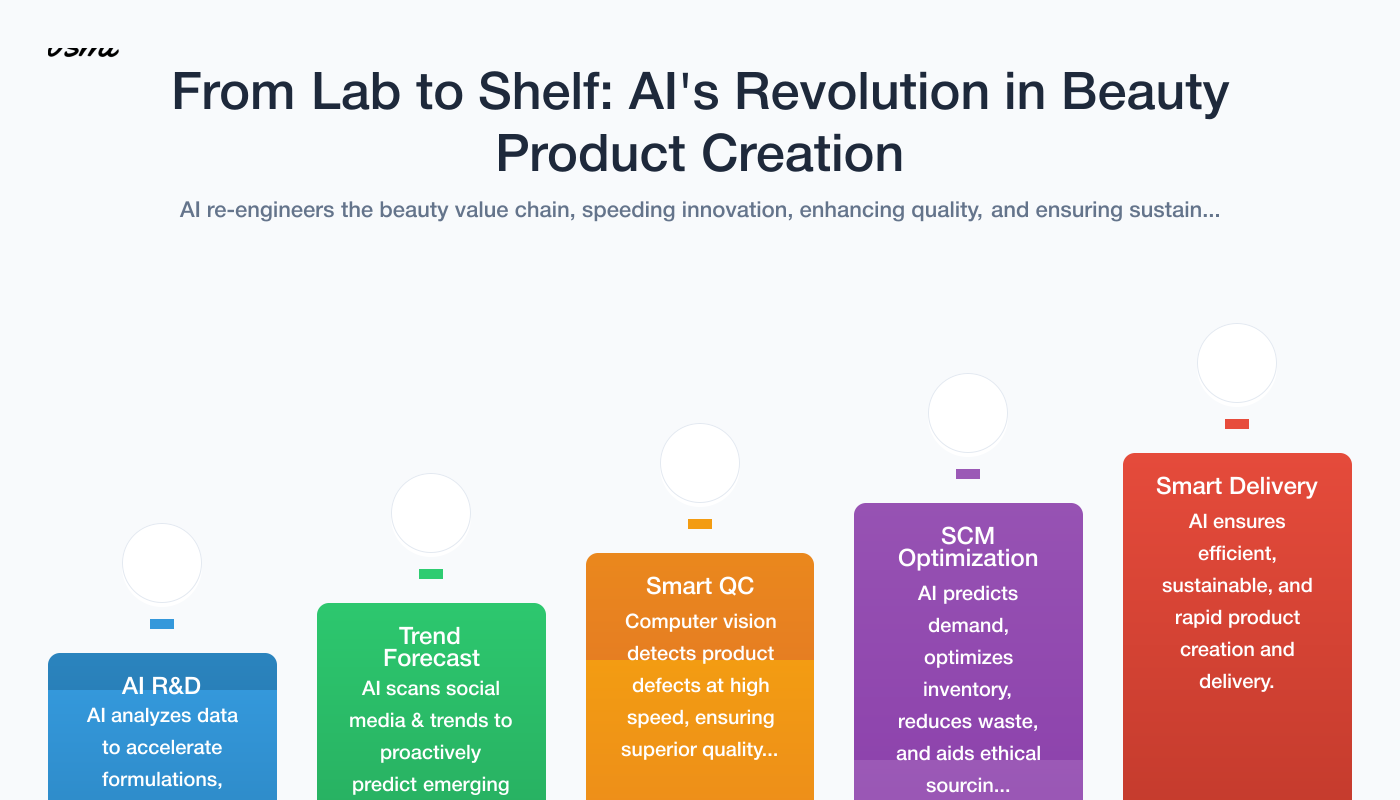
In the realm of research and development, AI algorithms analyze immense datasets comprising ingredient profiles, efficacy studies, and diverse skin types. This capability significantly accelerates the development of advanced and stable product formulations, moving beyond traditional methods. AI's ability to process complex biological information is even driving innovations like DNA and microbiome-based skincare, promising hyper-personalized solutions. This drastically shortens R&D timelines, allowing innovative products to reach the market faster.
Beyond the lab, AI's analytical prowess extends to anticipating consumer preferences. By scanning millions of social media posts, online conversations, and search trends, AI can pinpoint and predict emerging beauty trends long before they become mainstream. This proactive approach enables brands to innovate and adapt their product lines swiftly, ensuring they stay ahead of the curve rather than playing catch-up. For instance, AI has successfully predicted the rise of bioengineered skincare and microbiome-friendly ingredients.
The manufacturing floor is another area where AI is making an indelible mark. Computer vision systems equipped with AI automatically detect even the minutest defects in products and their packaging at high speeds. This ensures a level of quality control that far surpasses human inspection capabilities, with AI able to scan thousands of products per hour on a manufacturing line for imperfections. Additionally, Optical Character Recognition (OCR) is now employed to scan labels for regulatory compliance and to detect potential counterfeit products, safeguarding brand integrity.
Furthermore, AI-driven analytics are revolutionizing supply chain management. These systems predict consumer demand with remarkable accuracy, allowing brands to optimize inventory levels precisely. This not only reduces overproduction and minimizes product waste, contributing to a more sustainable supply chain, but also ensures the exact quantity of raw materials needed, reducing waste significantly. AI also aids in identifying sustainable, lab-grown alternatives to rare botanical extracts, promoting ethical sourcing.
AI's integration throughout the beauty value chain ensures a future of truly intelligent product development and delivery.
The Unfiltered Truth: Addressing Bias, Privacy, and Ethics in Beauty AI
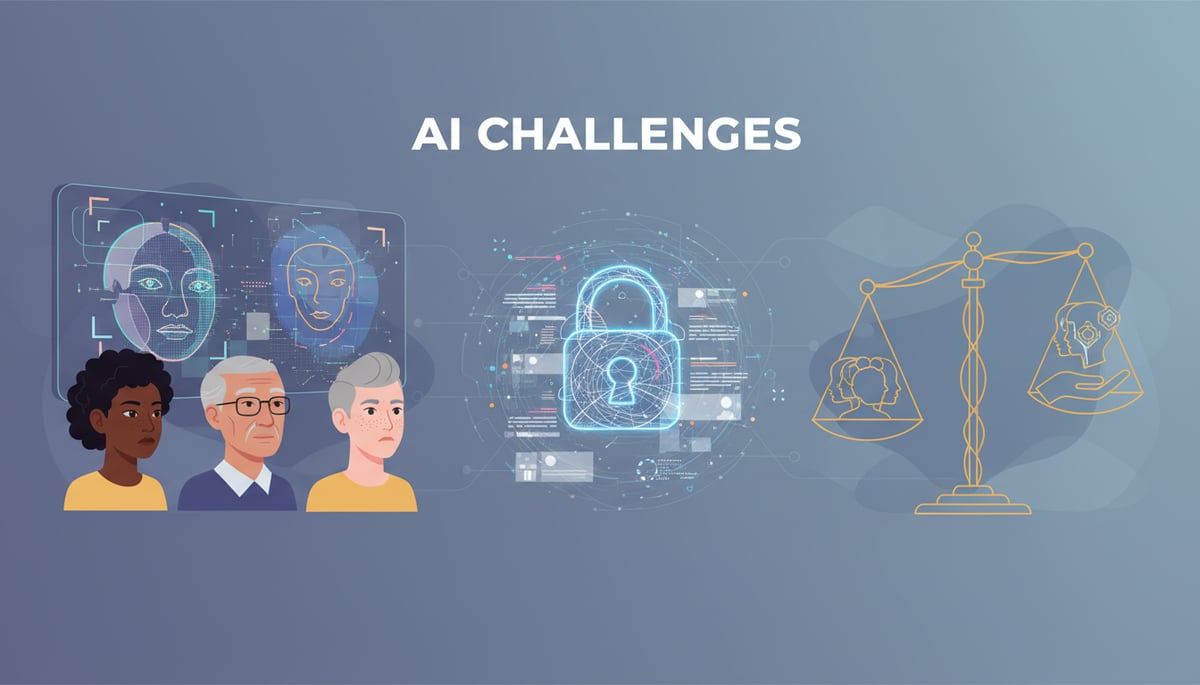
While AI promises a revolution in personalized beauty, it's crucial to critically examine the inherent challenges and ethical considerations that accompany its implementation. For AI to fulfill its promise in beauty, the industry must proactively solve the critical challenges of algorithmic bias, data privacy, and ethical responsibility to build trust and ensure equity.
A significant concern within the industry is algorithmic bias. Many AI models, particularly those trained on datasets skewed towards lighter skin tones, struggle to provide accurate analyses and recommendations for people of color. This can lead to ineffective or even harmful product suggestions. A primary root cause of this is the lack of medical images accurately representing darker skin tones in training datasets. As Majad Hussain of MiQuest states, "> If there is bias in the data, this same bias will be built into the AI."
Mitigating this bias requires a deliberate and active effort to build diverse and inclusive training datasets. This means ensuring a broad spectrum of skin tones, conditions, and ages are represented, with every image meticulously labeled by licensed experts. Companies like Renude and Haut.AI are actively working to create these more inclusive data sets to improve accuracy across all demographics. Experts also recommend AI should analyze texture, shape, and depth, rather than just brightness and contrast, for more universal applicability. Renude's AI, for example, was trained on tens of thousands of images across a spectrum of tones, each labeled by doctors.
The use of personal photos, and potentially even genetic data for hyper-customization, naturally raises significant data privacy and security questions. Brands must address these concerns transparently, clearly outlining how data is collected, stored, used, and protected. Data protection lawyers urge brands to scrutinize third-party developer contracts and enforce strict data usage policies. Users need assurances that their sensitive personal information will not be misused or compromised.
Furthermore, there is a clear ethical imperative to design AI systems that promote positive self-image. These systems must avoid contributing to beauty-related anxiety or perpetuating narrow, unrealistic beauty standards. The future market demands explainable AI systems that clearly communicate how they generate recommendations, fostering user understanding and trust. The goal should be to empower individuals to feel confident and beautiful, celebrating diversity rather than prescribing a singular ideal.
Building trust through transparency and equitable design is absolutely foundational for beauty AI's success.
The Future in the Mirror: AI Beauty Predictions for 2025-2030
As we look ahead, the integration of AI into beauty is poised to accelerate, shifting from reactive recommendations to proactive and predictive care. The future promises a deeply integrated, personalized beauty experience, becoming a seamless part of our daily routines and personal health ecosystems.

By 2025-2030, predictive AI will evolve to anticipate how an individual's skin will age or respond to specific treatments, enabling truly preventative care. This means receiving recommendations for lifestyle adjustments or products before a concern even becomes visible. Dr. Esho, a prominent figure in aesthetics, is particularly intrigued by developments in predictive AI, highlighting its potential to revolutionize long-term skincare strategies.
Generative AI will also play a pivotal role, creating hyper-realistic virtual makeovers and providing detailed previews of cosmetic procedures. This allows consumers to visualize outcomes with remarkable accuracy before making any commitment, minimizing uncertainty and enhancing satisfaction. Imagine seeing your new look in a personalized, 3D simulation, optimizing a multi-step beauty enhancement journey.
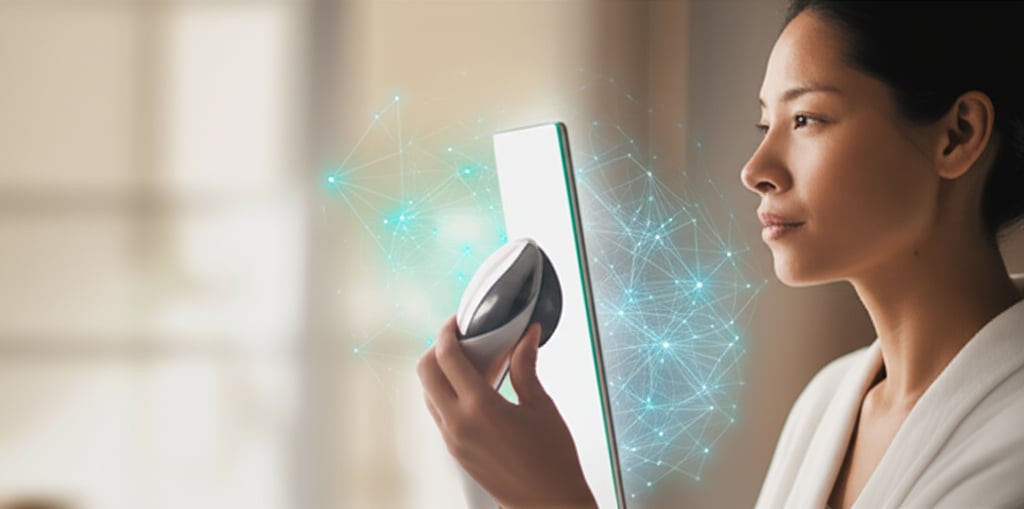
The market for AI beauty analysis is projected for substantial growth, expanding from $2.3 billion in 2025 to a remarkable $12.8 billion by 2030. This expansion will be fueled by deep integration with smart mirrors, wearables, and other IoT devices. These devices will enable continuous, real-time monitoring of skin health, adapting product recommendations based on environmental factors, internal stressors, and even sleep patterns. Advanced smart mirrors will provide daily beauty assessments and personalized routine recommendations.
Hyper-customization will become the norm. Imagine products manufactured on-demand, formulated precisely based on your unique DNA or an analysis of your skin microbiome. This next-generation technology will include real-time 3D facial mapping and genetic integration, moving beyond generic products to truly bespoke solutions. Professional adoption of AI in dermatology practices is expected to reach 70% by 2030, with AI accuracy projected to hit 95-98% correlation with professional assessments.
The convergence of AI with daily life will make truly personalized beauty an intelligent, empowering reality.
The journey into the world of AI-powered beauty reveals a landscape rapidly evolving beyond imagination. From sophisticated skin analysis to virtual try-ons and tailored product recommendations, artificial intelligence is reshaping how we understand, apply, and experience beauty. It moves us decisively closer to truly personalized care, establishing itself as a core technology rather than a fleeting trend.
Here are the key takeaways from our exploration into AI's impact on beauty:
- AI is delivering unprecedented personalization, offering precise diagnostics and customized beauty solutions that cater directly to individual needs and concerns.
- It's optimizing the entire beauty ecosystem, streamlining processes from innovative product development and efficient supply chains to enhanced salon operations for both professionals and clients.
- The transformative potential of AI in beauty is immense, yet its successful and equitable integration critically depends on proactively addressing challenges like algorithmic bias and upholding stringent data privacy standards.
This powerful technology promises a more accessible, effective, and inclusive beauty future, provided we commit to ethical development and transparent implementation.
As AI continues to redefine personalized care, we encourage you to embrace this intelligent evolution. Consider exploring how smart, data-driven solutions can empower your own beauty journey, bringing a new level of science-backed precision to your daily routine and unlocking your best self.
Tags
Related Articles
AI-Powered Customization: The Essential Future of Skincare
Demystifying AI in Skincare: Your Guide to Intelligent Algorithms