
Nourish Your Skin Microbiome: A Guide to Barrier Health
Read about Nourish Your Skin Microbiome: A Guide to Barrier Health on Cosmi Skin
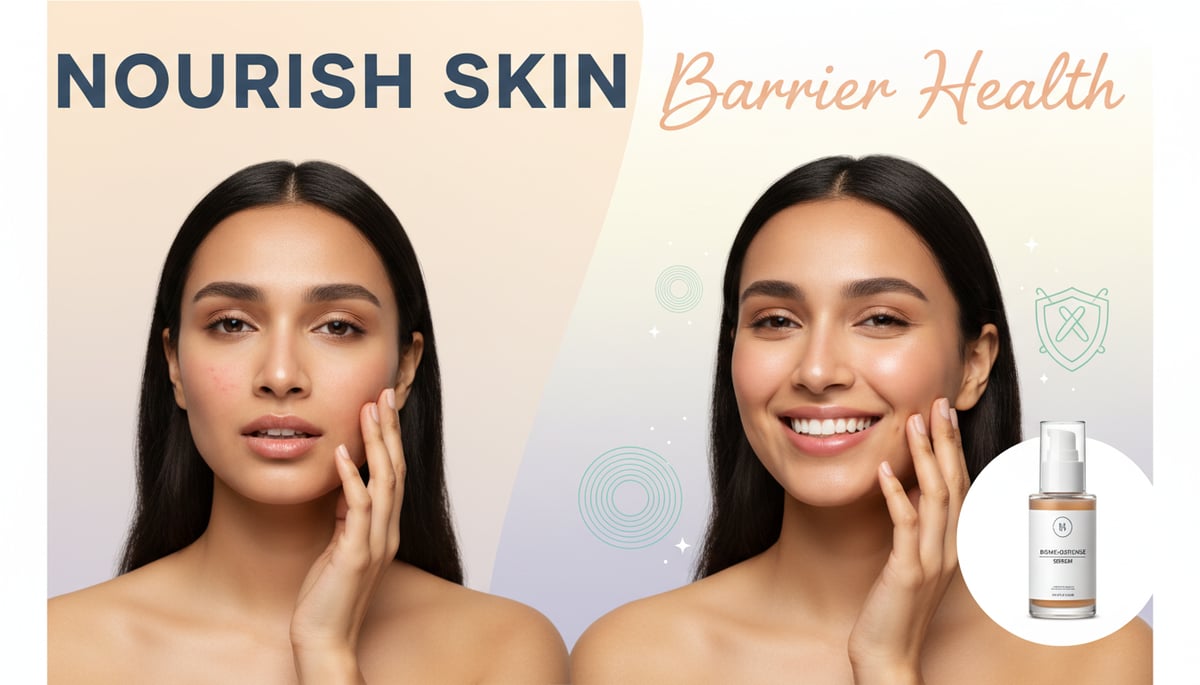
Over 40% of consumers now actively seek 'microbiome-friendly' skincare, yet this crucial term often remains widely misunderstood. This guide is designed to demystify your skin microbiome, the invisible ecosystem that acts as your body's vital first line of defense.
Many common skincare habits, from over-exfoliation to harsh cleansers, unknowingly compromise this delicate barrier. We believe the true foundation of modern, effective skincare lies not in stripping your skin, but in thoughtfully nurturing its unique ecosystem.
Join us as we explore the science behind a healthy barrier, identify hidden disruptors, and provide a practical roadmap to restore balance and cultivate resilient, radiant skin from within.
Understanding Your Skin’s Invisible Ecosystem

Beyond what meets the eye, your skin hosts an extraordinary, bustling universe: the skin microbiome. Imagine your skin not as a static surface but as a vibrant garden, teeming with life. This intricate community consists of trillions of microorganisms, including beneficial bacteria, fungi, and even viruses, all living in a symbiotic relationship with you. They're not just visitors; they're integral residents.
This living ecosystem is profoundly unique to each person, much like a fingerprint, varying significantly across different areas of your body. Factors such as moisture levels, sebum production, and pH influence which microbial communities thrive, creating distinct habitats from your forehead to your heels (Similarweb, 2024).
Far from being adversaries, many of these microbes are powerful allies in maintaining your skin's health. They play crucial roles in preserving the skin's naturally acidic pH, which ideally ranges between 4.5-5.5 (Research Data, 2023). Additionally, these commensal bacteria produce essential nutrients and antimicrobial substances that actively deter harmful pathogens, fortifying your skin's defenses. A balanced microbiome even communicates with your immune system, helping to keep inflammation in check (Proof Anchor, 2023).

A diverse and harmonious microbiome is the very cornerstone of a healthy skin barrier. It acts as the first line of defense, not just a physical shield but a dynamic biological one, protecting against environmental aggressors and potential invaders. The skin is home to trillions of microbes: bacteria, fungi, viruses, and yeasts, with predominant bacterial phyla including Actinobacteria, Firmicutes, Proteobacteria, and Bacteroidetes (Research Data, 2023).
Note: Understanding your skin microbiome is a paradigm shift. It moves us from merely "cleansing" to actively "cultivating" a balanced environment for optimal skin function and appearance.
The unique composition of this microbiome is influenced by genetics, age, and environment, highlighting its personalized nature. A thriving microbiome directly contributes to your skin's resilience, its capacity to repair itself, and its overall radiant appearance. Cultivating a balanced microbiome is essential for truly healthy skin.
Is Your Skin Barrier Compromised? Key Warning Signs
It's common to misinterpret persistent skin issues, often leading to treatments that might exacerbate the problem. Many people mistake barrier damage for other conditions, inadvertently worsening their skin's condition (Proof Anchor, 2023). The truth is, chronic sensitivity, dryness, and even acne are frequently not isolated concerns but rather clear signals of one underlying issue: a compromised skin barrier. Recognizing these signs is the first step towards healing.
Here are the key indicators that your skin barrier might be struggling:
- Persistent Dryness, Tightness, and Flaking: If your skin consistently feels parched, taut, and shows visible flaking, even after applying your usual moisturizer, it's a classic symptom. A compromised barrier loses its ability to retain moisture effectively, leading to this chronic dehydration (Research Data, 2023). This isn't just surface dryness; it indicates a deeper issue with water retention.
- Increased Sensitivity and Reactivity: Products that once felt fine now cause stinging, burning, itching, or redness. This sudden shift in tolerance means your skin is no longer adequately protected. A damaged barrier allows irritants to penetrate easily, triggering an inflammatory response (Research Data, 2023). Even environmental factors like wind or minor temperature changes can become unbearable.
- Paradoxical Breakouts: You might experience a frustrating combination of dryness and increased acne. When the skin barrier is damaged, it can overproduce oil to compensate for moisture loss, creating a greasy yet dehydrated feel. This excess oil, combined with impaired defense, allows acne-causing bacteria to penetrate more easily, leading to unexpected breakouts (Research Data, 2023).
- Delayed Healing of Blemishes: Minor cuts, blemishes, or post-inflammatory hyperpigmentation seem to linger far longer than they should. A compromised barrier directly impairs the skin's natural repair processes, slowing down its ability to heal and regenerate (Research Data, 2023).
These symptoms often create a cycle of frustration, as many traditional spot treatments or harsh cleansers can further strip the already vulnerable barrier. For instance, using strong acne treatments on a compromised barrier might initially seem to address breakouts, but it often escalates dryness and sensitivity, making the skin even more prone to future issues. This highlights why a focus on barrier health is crucial before addressing individual symptoms.
Recognizing these interconnected symptoms is vital for effectively restoring your skin's health.
The Top 5 Microbiome Disruptors Hiding in Your Routine
Many popular and well-intentioned skincare practices are the primary culprits behind a chronically irritated and imbalanced complexion. While striving for clear, healthy skin, we often inadvertently engage in habits or use products that strip away the very protective elements our skin needs. Understanding these common disruptors is the first step towards a truly balanced and resilient complexion.
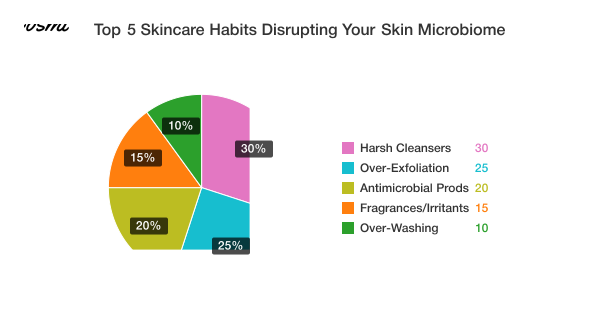
Over-Cleansing with Harsh Formulas
The pursuit of "squeaky clean" skin often leads to a stripped and vulnerable barrier. Many foaming cleansers, especially those with high pH levels (alkaline) or containing sulfates like SLS/SLES, aggressively remove not just dirt and makeup, but also the skin's natural protective lipids and beneficial microbes. This leaves the surface hostile to the good bacteria, creating an imbalance.
Research shows that harsh cleansers with SLS/SLES sulfates disrupt the barrier’s delicate lipid structure, compromising its integrity (Journal of Cosmetic Science, 2017). The feeling of "squeaky clean" is, in fact, the sensation of these essential protective oils being stripped away, making the skin's surface hostile to beneficial microbes.
Excessive Exfoliation
While exfoliation can be beneficial, too much of a good thing quickly turns detrimental. Aggressive physical scrubs or the daily use of high-concentration chemical acids can remove the skin's protective barrier faster than it can regenerate. This constant stripping exposes underlying skin to environmental aggressors and depletes the microbial diversity.
Note: The "over-exfoliation epidemic" can physically strip away the protective lipid layer, while even chemical exfoliants, when misused, alter the microbial community and create an environment where beneficial microbes struggle to survive.
Broad-Spectrum Antibacterial Products
For daily cleansing, using products designed to kill a wide range of bacteria might seem beneficial, but it's a double-edged sword for your microbiome. These broad-spectrum antibacterial washes are indiscriminate; they wipe out both harmful pathogens and the essential beneficial bacteria that maintain skin health and fend off bad microbes.
Research indicates that broad-spectrum antibacterial washes kill both harmful and beneficial bacteria, which can backfire, leaving the skin defenseless against opportunistic invaders (Dermatology Times, 2022). This can lead to increased vulnerability and a vicious cycle of irritation.
High Concentrations of Denatured Alcohol
Denatured alcohol is a common ingredient in toners and astringents, often marketed for its ability to cut oil and tighten pores. However, products with high concentrations of this ingredient can severely dehydrate the skin, leading to a compromised barrier. This dehydration disrupts the skin's delicate pH balance, making it a less hospitable environment for beneficial microbes.
Alcohol-based astringents and high concentrations of ingredients like benzoyl peroxide, when used inappropriately, can be highly disruptive, causing dryness and irritation (American Academy of Dermatology, 2019). This disruption can make your skin more prone to irritation and even break the barrier.
Overloading with Potent Actives
Introducing too many potent active ingredients into your routine simultaneously can overwhelm the skin's adaptive capacity. Mixing high concentrations of retinoids, vitamin C, and various acids without proper sequencing or allowance for skin adjustment can lead to significant irritation, redness, and a breakdown of the barrier.
Product incompatibility and using ingredients with conflicting pH levels or multiple potent actives at once can overwhelm the barrier’s adaptive capacity and trigger an inflammatory response (SkincareRx, 2023). This overstimulation can stress the skin, leading to chronic issues rather than improvement.
By identifying and adjusting these common habits, you can take significant steps toward fostering a healthier, more resilient skin microbiome.
How to Build a Microbiome-Friendly Skincare Routine
A truly effective skincare routine shifts the focus from stripping and correcting to cleansing gently, nourishing deeply, and protecting consistently. Embracing a microbiome-friendly approach means understanding that your skin thrives when its natural defenses are supported, not suppressed. This framework provides clear, actionable steps to cultivate a healthy, balanced complexion.
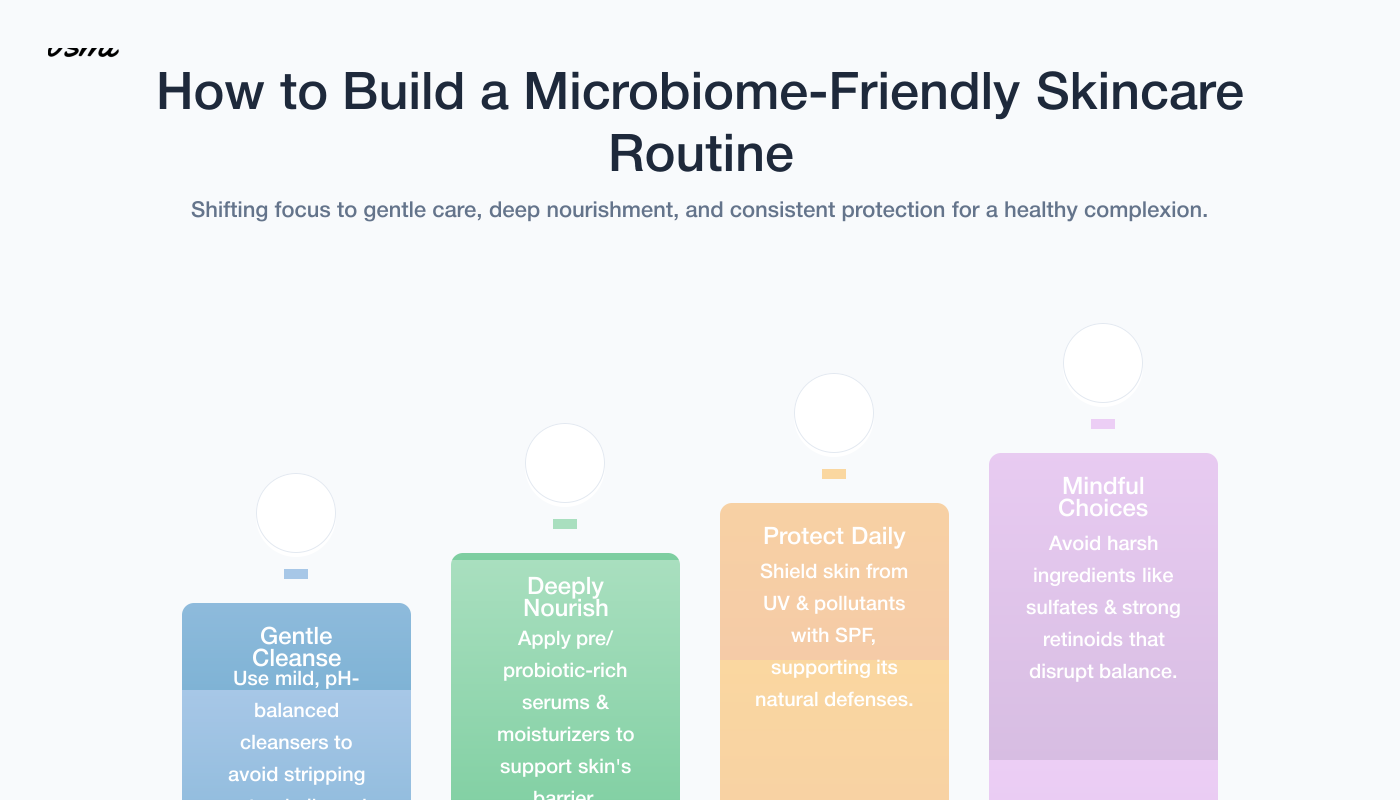
Prioritize Gentle Cleansing
Start by adopting a "less is more" philosophy, particularly with cleansing. Harsh, foamy cleansers strip natural oils and disrupt the skin's delicate pH, harming the microbiome. Instead, opt for mild, pH-balanced cleansers that effectively remove impurities without stripping the barrier.
- Look for formulas labeled "gentle," "pH-balanced," or "soap-free."
- Avoid cleansers with sulfates (SLS/SLES) or strong foaming agents.
- Cleanse once or twice daily, depending on your skin type and environment. Over-cleansing is a common barrier disruptor.
Integrate Barrier-Boosting Ingredients
Focus on ingredients that actively support and mimic the skin's natural protective structure. A healthy barrier is more resistant to environmental damage that contributes to premature aging, and when your barrier is optimized, other skincare treatments work more effectively (Dermatology Research and Practice, 2018).
Key Barrier Components:
- Ceramides: These lipids make up approximately 50% of the barrier lipids and are considered the gold standard for repair. They reinforce the skin's natural barrier, preventing moisture loss and protecting against irritants. Professional-strength ceramide complexes deliver lipids in ratios that match the skin’s natural composition for optimal repair (Journal of Clinical Dermatology, 2020).
- Cholesterol and Fatty Acids: Essential partners to ceramides, these lipids help form a strong, cohesive barrier that locks in hydration.
- Hyaluronic Acid: A powerful humectant that draws moisture into the skin, keeping it plump and hydrated without disrupting the microbiome.
- Niacinamide (Vitamin B3): Known for its anti-inflammatory properties, niacinamide strengthens the skin barrier, reduces redness, and improves overall skin texture.
Research indicates that effective barrier repair requires a scientifically-informed, systematic approach, focusing on components like ceramides, hyaluronic acid, and niacinamide (Cosmetics & Toiletries, 2021).
Incorporate 'Biotic' Ingredients
Directly support your skin's microbial ecosystem by incorporating biotic ingredients. These innovative components help rebalance and nurture the skin's natural flora.
Types of Biotic Ingredients:
- Prebiotics: These are food for beneficial skin bacteria, encouraging their growth and dominance. Examples include oligosaccharides and fructooligosaccharides, found in some topical serums and creams.
- Probiotics: Live microorganisms (or their lysates/ferments) that, when applied topically, can help introduce beneficial bacteria to the skin, or foster a healthy microbial environment. Think of lactobacillus or bifida ferment filtrates.
- Postbiotics: Beneficial byproducts released by good bacteria, such as peptides, enzymes, and organic acids. These can have soothing, barrier-strengthening, and antimicrobial effects without introducing live bacteria.
Shield with Mineral Sunscreen
Environmental stressors, especially UV radiation, can significantly damage both the skin barrier and its microbiome. Always protect your skin with a broad-spectrum sunscreen. Mineral sunscreens, containing active ingredients like zinc oxide and titanium dioxide, are often gentler on the microbiome compared to some chemical sunscreens.
Mineral sunscreens work by creating a physical barrier on the skin's surface, reflecting UV rays. This non-chemical approach is less likely to irritate sensitive skin or disrupt the delicate balance of the skin microbiome (International Journal of Cosmetic Science, 2019).
Building a microbiome-friendly routine is a conscious decision to nurture your skin from the outside in, leading to a visibly healthier and more harmonious complexion.
The Gut-Skin Axis: Why Skin Health Starts from Within
A holistic approach to skin health is incomplete without considering the profound impact of your internal microbial environment on your external appearance. While topical treatments are essential, true radiance often begins far deeper
– in your gut. This is where the fascinating concept of the "gut-skin axis" comes into play, revealing an intricate connection between your digestive system and your skin.

Understanding the Gut-Skin Axis
The gut-skin axis is the scientifically recognized two-way communication pathway between your digestive system and your skin. It highlights how the health and balance of your gut microbiome directly influence your skin's condition, affecting everything from clarity to inflammation. Research from the Journal of Dermatological Science (2020) highlights the crosstalk between gut and skin health, emphasizing this connection.
The Impact of Gut Dysbiosis
An imbalance in the gut microbiome, known as gut dysbiosis, can trigger systemic inflammation throughout the body, which often manifests on the skin. This internal inflammation can exacerbate or even cause common skin conditions such as acne, eczema, and rosacea.
Proof anchor: Research has linked microbiome imbalances to common skin conditions like atopic dermatitis ([Allergy, 2016](https://en.wikipedia.org/wiki/Allergic_contact_d dermatitis)). When your gut flora is out of balance, it can influence your skin microbiome and contribute to external skin manifestations (Journal of Clinical Gastroenterology, 2018). Studies also suggest that probiotics may have a role in the treatment of eczema by improving intestinal flora diversity (British Journal of Dermatology, 2015).
Nurturing Your Gut for Radiant Skin
The good news is that you can positively influence your gut health through dietary choices, which in turn benefits your skin.
Probiotic-Rich Foods: Consuming fermented foods rich in beneficial bacteria can help support a healthy gut microbial balance.
- Yogurt (plain, unsweetened)
- Kefir
- Sauerkraut
- Kimchi
- Tempeh
Research confirms that probiotics found in fermented foods can help the proliferation of healthy gut bacteria, positively impacting the gut microbiome (Nutrients, 2019).
Prebiotic-Rich, High-Fiber Foods: These foods contain types of fiber that act as fuel for your beneficial gut bacteria, helping them thrive.
- Oats
- Garlic
- Onions
- Bananas
- Asparagus
Prebiotics are essential for feeding friendly gut bacteria, contributing to a robust internal ecosystem (Food Science & Nutrition, 2021). A diet high in sugar, conversely, can promote inflammation that disturbs the skin's balance (American Journal of Clinical Nutrition, 2017).
By consciously nourishing your gut, you're investing in a more profound and comprehensive approach to achieving lasting skin health.
Throughout this guide, we've journeyed into the intricate world of your skin microbiome, demystifying its profound role as your body's invisible shield. We’ve understood that nurturing this delicate ecosystem isn't a fleeting trend, but the very foundation of truly effective, modern skincare and lasting barrier health. By respecting and supporting these beneficial microorganisms, you unlock your skin's inherent strength and potential for radiance.
Here are the essential insights to carry forward from our exploration:
- Your skin microbiome is a vital defense system. Understanding its complex functions empowers you to actively protect your skin's first line of defense against environmental stressors and pathogens.
- Mindful skincare choices are crucial for balance. Identifying and wisely avoiding common disruptors, from harsh cleansers to over-exfoliation, allows you to foster a balanced and resilient skin barrier.
- Holistic health profoundly impacts skin resilience. Recognizing the powerful gut-skin axis highlights that true radiance and robust skin health often emanate from within, complementing your topical routine.
Embracing a microbiome-friendly approach isn't about rigid, one-size-fits-all rules, but about making informed, conscious choices that honor your skin's natural intelligence. It's about shifting your perspective to work with your body, not against it, to cultivate lasting vitality and a naturally beautiful complexion.
As you embark on your personal path to a healthier, more resilient skin barrier, precision and personalization are your most powerful allies. Consider leveraging advanced, data-driven tools like Cosmi.skin that can offer tailored insights and expert guidance, helping you decode your skin's unique needs and build a truly effective routine designed for its optimal balance and long-term health. This thoughtful, proactive approach is how you transform your skin's future, moving confidently towards an era of truly personalized and effective skincare.
