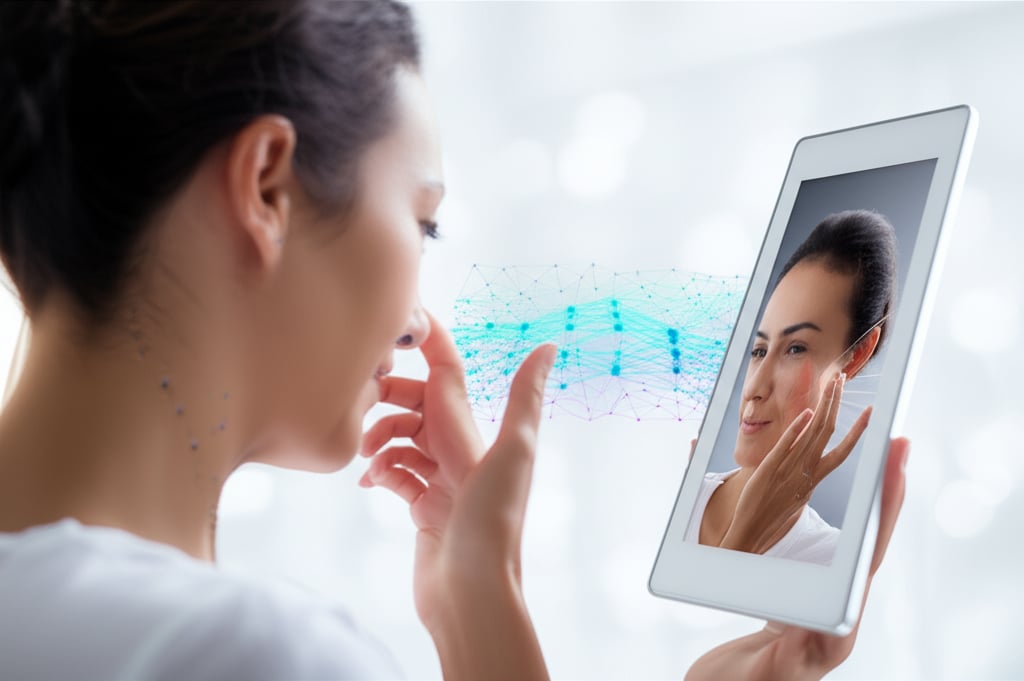
AI Skincare: The Future of Personalized Beauty is Here
Read about AI Skincare: The Future of Personalized Beauty is Here on Cosmi Skin
The dawn of a new era in beauty is upon us, fundamentally transforming the landscape of personalized skincare through the revolutionary power of cutting-edge [skincare artificial intelligence]. This profound shift converts what was once a bewildering, often disheartening, quest for optimal skin health into a journey defined by unprecedented precision and remarkable effectiveness. For far too long, consumers have navigated a frustrating maze of trial and error, burdened by a deluge of generic product recommendations and a seemingly endless, bewildering array of choices. The chorus of dissatisfaction from individuals whose unique skin concerns remained unaddressed echoed a significant, persistent pain point across the entire industry.
However, a monumental metamorphosis is actively unfolding. Forward-thinking industry reports emphatically project that by 2025, [skincare artificial intelligence] will not merely influence but fundamentally reshape established beauty standards, moving decisively beyond the antiquated "one-size-fits-all" paradigm. The promise is a future where skincare delivers truly tailored, impactful, and deeply personal solutions. This sweeping transformation heralds an era where your daily routine is meticulously crafted to be as distinctly unique as your own DNA, exquisitely guided by the unparalleled insights of advanced digital intelligence. The days of guesswork are rapidly receding, replaced by an intelligent, intuitive approach to nurturing your skin.
Understanding the Seismic Shift: Why Personalized Skincare is Not Just a Trend, But an Absolute Imperative
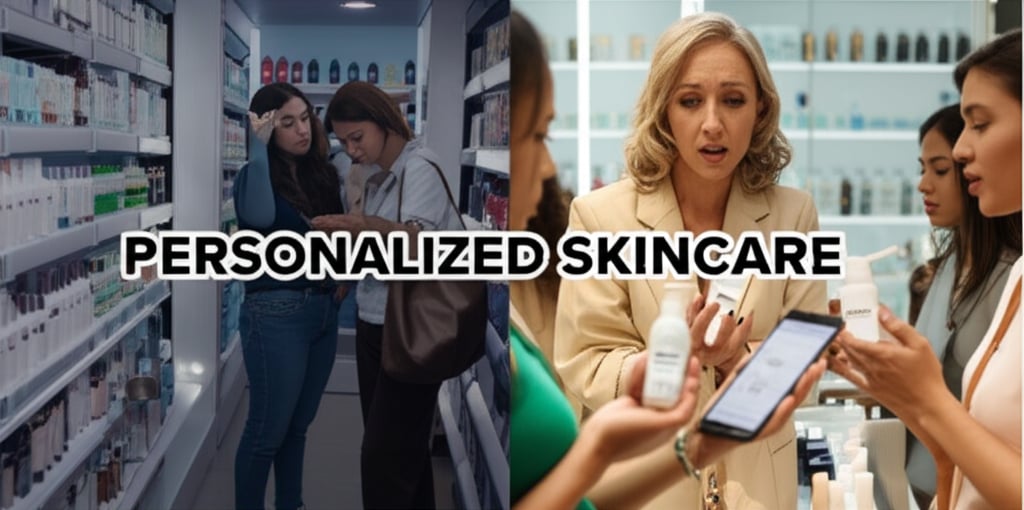
The contemporary beauty industry is currently experiencing a profound and irreversible evolution, propelled with immense force by a widespread and vocal consumer demand. Individuals are now actively seeking out products that genuinely resonate with and cater to the intricate tapestry of their individual skin complexities, moving past superficial claims to seek tangible results. The long-standing era of universal, mass-market skincare solutions is unmistakably drawing to a close, giving way to an overwhelming preference for highly customized and deeply experiential approaches. Today's discerning consumer is no longer content with merely purchasing a product; they actively desire interactive engagement, a transparent window into the provenance and properties of ingredients, and a clear, verifiable understanding of their specific dermatological benefits. This potent drive towards hyper-personalization has unequivocally emerged as the defining characteristic of the modern beauty landscape, signaling a fundamental realignment of industry priorities.
Online forums and social media discussions frequently underscore the inherent, often exasperating, challenges in discovering beauty products that genuinely live up to their lofty promises. A significant number of individuals openly voice their profound frustration over marketing strategies that rely heavily on meticulously edited visuals, to the point where they border on digital fantasy. These manipulated images, designed to enhance appeal, paradoxically make it incredibly difficult for consumers to accurately discern actual product shades, textures, or finishes. There is a palpable, almost desperate, longing for authentic testimonials, unvarnished reviews, and verifiable results presented by real users with genuine experiences. This collective yearning signals a pervasive skepticism towards generalized advertising and polished campaigns that often feel detached from reality.
At the very core of this paradigm-shifting movement is an increasingly sophisticated recognition: the skin is not a static canvas, but rather an incredibly complex, dynamic, and sentient organ. Its unique profile and behavior are intricately influenced by a myriad of interconnected factors, including an individual's genetic blueprint, the fluctuating environmental conditions they encounter daily, the inevitable passage of time (age), and their consistent daily habits. Esteemed dermatologists unequivocally emphasize that a personalized methodology, such as robust, clinically validated skin typing systems, is absolutely crucial. Such systems possess the remarkable ability to accurately categorize skin into distinct, nuanced types, each of which necessitates a truly bespoke and precisely tailored routine. This granular, in-depth understanding is not merely a scientific curiosity; it is actively paving the way for a more profoundly effective, genuinely satisfying, and ultimately empowering skincare journey for everyone.
Key Takeaway: The beauty industry is undergoing an undeniable pivot towards hyper-personalization, a movement vigorously driven by consumer demand for solutions that are uniquely tailored, unequivocally transparent, and genuinely effective in comprehensively addressing the intricate complexities of individual skin.
AI's Transformative Role in Precision Skin Analysis and Orchestrating Tailored Routines
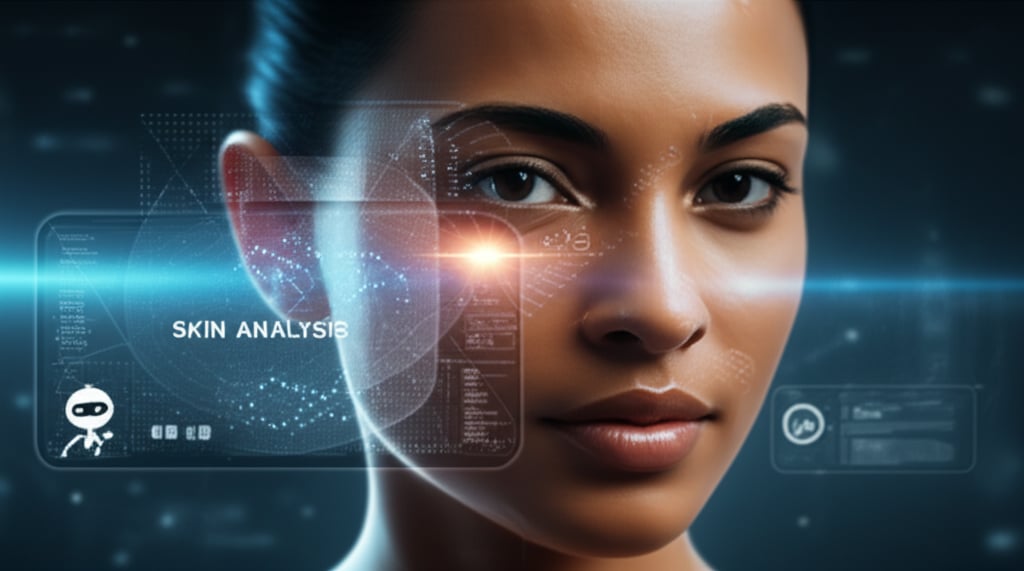
[Skincare artificial intelligence] is now taking center stage, expertly spearheading the delivery of this absolutely critical personalization, serving as a sophisticated, unerring guide through the intricate and often bewildering world of skincare. AI’s capabilities in nuanced skin analysis are nothing short of extensive, meticulously utilizing advanced diagnostic technologies to gain a profoundly deep and nuanced understanding of individual skin needs – an understanding that far surpasses the limitations of traditional, often subjective, assessment methods. It's akin to moving from a general map to a highly detailed, personalized blueprint of your skin.
At its fundamental core, AI operates by systematically collecting, processing, and intelligently interpreting vast quantities of user-specific data. This rich tapestry of information is comprehensively gathered through a variety of channels: dedicated mobile applications, meticulously structured online questionnaires that delve deep into habits and concerns, and even immersive in-store interactive diagnostic experiences that capture real-time insights. For instance, advanced [Computer vision analysis] plays a pivotal role. This technology accurately and painstakingly scrutinizes high-resolution images of the skin, precisely identifying and quantifying concerns such as the nascent appearance of fine lines, the development of wrinkles, the presence of acne, and various forms of pigmentation with remarkable, almost microscopic, detail. This unprecedented level of scrutiny ensures that even the most subtle skin issues, which might otherwise go unnoticed by the human eye, are meticulously identified and accounted for.
Further pushing the boundaries of innovation, [Generative AI bespoke] technology crafts truly unique, custom skincare formulations and product blends. These are not mass-produced; rather, they are precisely orchestrated based on the rich, individualized user data that has been collected and analyzed. Complementing this, intelligent [chatbots conversational AI] and sophisticated virtual assistants are increasingly powered by AI, providing immediate, expert-level advice and dynamically generated product recommendations. They offer a constant, knowledgeable companion in your skincare journey.
Consider innovative approaches taken by platforms, which brilliantly exemplify this integration. Such systems leverage an "AI Cosmetologist" and "virtual dermatologists" to provide users with comprehensive, meticulously customized morning, afternoon, and evening routines. This advanced, data-driven analysis forms the solid basis for smart, highly targeted product recommendations that are precisely matched to a user's unique and evolving skin condition. With countless detailed skincare reports continuously generated, users engaging with such intelligent systems benefit from robust and intuitive progress tracking tools, allowing them to visibly chart improvements and observe the tangible effectiveness of their chosen regimens over time. Furthermore, personalized notifications deliver timely, expert tips and gentle reminders, proactively helping users maintain their newfound radiant skin and reinforce healthy habits. According to leading expert dermatologists, accurately identifying an individual's specific skin type is not merely beneficial, but absolutely crucial for truly effective and targeted care. AI-powered systems, built upon extensive and rigorous scientific research, such as the widely recognized [Baumann Skin Type System], can unerringly determine these unique and distinct skin profiles. This unparalleled capability enables the creation of truly custom routines that directly address specific sensitivities and concerns, whether they manifest as persistent acne, the redness of rosacea, sensations of stinging, or various allergic reactions.
Key Takeaway: [Skincare artificial intelligence] delivers unparalleled precision in skin analysis, leveraging advanced [Computer vision analysis] and comprehensive data-driven insights to meticulously construct highly personalized routines and precisely tailored product recommendations, thereby significantly enhancing the overall effectiveness and satisfaction of skincare.
Navigating the Digital Realm: Cultivating and Building Trust in the Era of AI Beauty
While [skincare artificial intelligence] undeniably offers groundbreaking advancements and revolutionary potential, its deeper integration into the beauty industry also introduces a distinct set of significant challenges. These challenges primarily revolve around the critical aspects of consumer trust and the omnipresent potential for the proliferation of misinformation. Online discussions across various platforms consistently reveal a palpable and significant concern among consumers regarding the widespread proliferation of AI-generated visuals. These range from hyper-realistic virtual models, who might represent an unattainable ideal, to simulated product swatches that appear flawless but lack real-world texture or nuance. This proliferation inevitably leads to a deep-seated skepticism among consumers about the true authenticity of products and, more importantly, their actual real-world effectiveness.
Many discerning consumers have vocalized a profound, almost urgent, desire for content that transparently features real people, with all their natural imperfections, genuinely using real products in authentic settings. They express a distinct and growing apprehension that visuals meticulously created by AI, while aesthetically perfect, could dangerously mislead expectations, blurring the vital lines between aspirational marketing and factual reality. This concern is not merely superficial; it extends deeply into the very efficacy of the products themselves. Consumers grapple with the fundamental question of whether an AI-generated image can accurately or honestly reflect how a product will truly perform on their unique, living skin, which reacts differently to various formulations. The inherent human need for genuine connection, for relatable experiences, and for foundational trust is profoundly challenged when the visual representations of beauty become entirely synthetic and detached from the human element.
Furthermore, the risk of "deepfake" style content or overly optimistic AI-driven promises creates a trust deficit that the industry must actively work to bridge. Building and maintaining this trust demands an unwavering commitment to transparency. This includes clearly and unequivocally labeling all AI-generated content, whether it be a virtual model, a simulated swatch, or a dynamically generated testimonial. Moreover, actively fostering communities where genuine user experiences and unfiltered reviews are celebrated and easily accessible becomes paramount. Brands must prioritize educating consumers about the capabilities and limitations of AI, demystifying the technology rather than allowing it to be perceived as an opaque, manipulative force. By embracing ethical guidelines and promoting authentic interactions, the beauty industry can harness the immense power of AI without sacrificing the invaluable currency of consumer confidence, ensuring that the future of beauty remains grounded in honesty and efficacy.
Key Takeaway: Successfully integrating AI into the beauty sector necessitates a concerted, transparent, and ethical effort to build and sustain consumer trust, particularly in addressing skepticism surrounding AI-generated visuals and ensuring product authenticity and verifiable efficacy.
Tags
Related Articles
AI-Powered Customization: The Essential Future of Skincare
Demystifying AI in Skincare: Your Guide to Intelligent Algorithms