
Exosomes in Skincare: The Future of Cellular Repair Explained
Read about Exosomes in Skincare: The Future of Cellular Repair Explained on Cosmi Skin
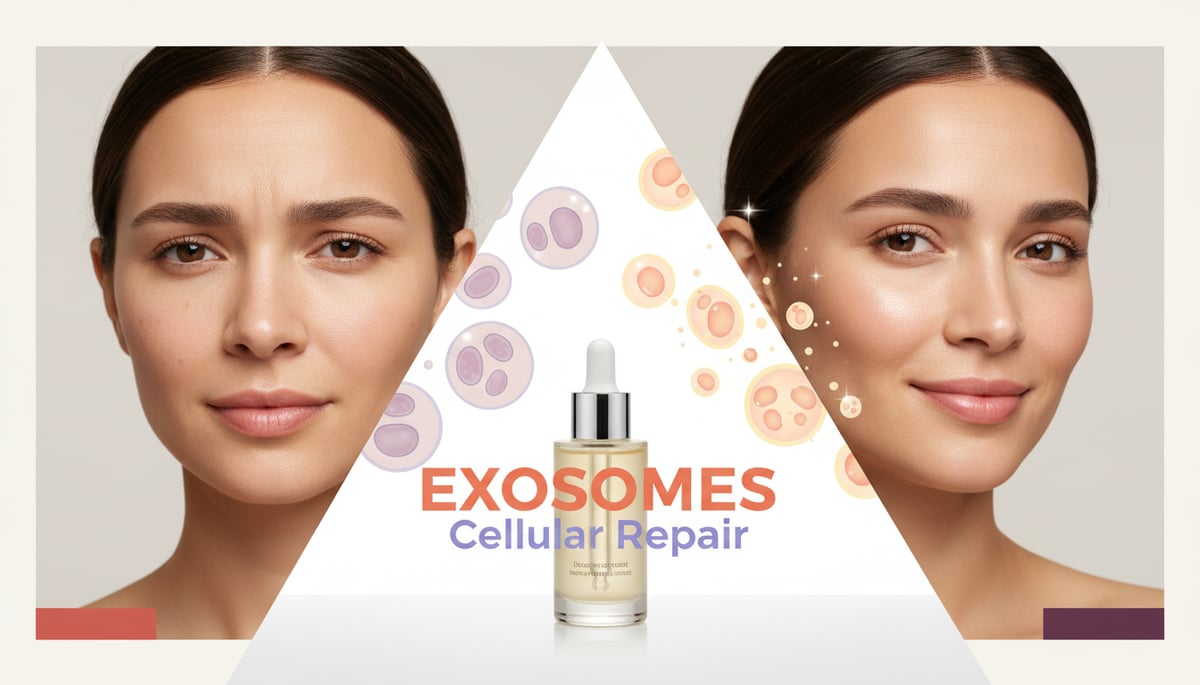
For decades, the promise of true cellular skin repair felt like science fiction. Now, a revolutionary biotechnology is quickly moving from the lab to your vanity, poised to redefine how we think about youthful, resilient skin.
These microscopic marvels are called exosomes, your skin's own powerful cellular communicators. They deliver thousands of signaling proteins, promoting deep repair and regeneration with the tantalizing promise of boosted collagen, reduced inflammation, and accelerated healing.
However, while this groundbreaking innovation presents profound scientific breakthroughs, it also ushers in a landscape rife with marketing noise and operates without full regulatory oversight. Understanding the true science behind these potent cellular messengers is therefore more critical than ever, and this article will cut through the hype to explain exactly what exosomes are, how they work, and what their real potential is for your modern skincare routine.
Exosomes represent a groundbreaking leap in skincare, moving beyond surface-level treatments to target deep cellular repair and regeneration.
What Are Exosomes? The 'Delivery Drones' of Your Skin
Imagine tiny, intelligent delivery drones operating constantly within your skin, transporting vital messages and repair kits. This isn't science fiction; it's the fundamental role of exosomes, microscopic vesicles revolutionizing our understanding of cellular communication and repair. These nano-sized bubbles, naturally secreted by nearly all cell types, especially stem cells, act as sophisticated couriers. They carry a diverse cargo of bioactive molecules from one cell to another.

Exosomes are far more than just empty carriers. They are packed with essential ingredients such as proteins, lipids, messenger RNA, growth factors, peptides, coenzymes, and amino acids. Think of them as the ultimate biological information packets, designed to transmit precise instructions. This intricate communication network instructs recipient cells on exactly how to behave. For instance, they can signal cells to initiate repair processes, significantly reduce inflammation, or boost the production of crucial components like collagen and elastin, vital for youthful, resilient skin. As NBC News (2023) highlighted, exosomes function as "microscopic delivery trucks" that enable cells to "talk" to each other, coordinating complex biological responses.
The beauty of exosome therapy lies in its unique ‘cell-free’ approach. Unlike traditional stem cell therapies, which involve introducing living cells into the body, exosome treatments utilize only the beneficial messages these cells produce. This distinction is crucial, eliminating potential risks associated with live cell introduction, such as immunogenicity (the body reacting against foreign cells) or concerns about uncontrolled cell growth. Edgebrook Dermatology (2022) emphasizes this, defining exosomes as powerful, cell-to-cell communicators naturally secreted by stem cells, offering a safer profile.
A single exosome can deliver over 2,000 types of cell signaling proteins, orchestrating a symphony of repair and rejuvenation. This powerful ability to direct cellular activity makes them a pivotal player in regenerative medicine. A 2024 PMC review further underscores their significance, pointing out their critical role in facilitating intercellular communication through this rich bioactive cargo. It's like a central command node sending out specialized repair teams across your skin's cellular landscape, ensuring every cell receives the precise instructions it needs to thrive and regenerate.
Exosomes are not merely an ingredient; they represent a sophisticated biological delivery system that enables cells to communicate and coordinate comprehensive skin regeneration.
The Cellular Mechanism: How Exosomes Command Skin Regeneration
Exosomes, often dubbed nature's cellular messengers, are tiny vesicles playing an outsized role in intercellular communication. Within the realm of skincare, they represent a sophisticated leap, actively orchestrating skin regeneration and repair at the cellular level. This isn't merely surface-level treatment; it's a profound biological intervention.
The core mechanism involves exosomes delivering a precise cargo of signaling molecules to recipient skin cells. This enables them to intervene in key aging pathways, effectively suppressing degradation and stimulating regeneration. These nanoscale communicators are packed with proteins, lipids, and genetic material, all working in concert.
A primary function of exosomes is to significantly promote the synthesis of vital structural proteins. They stimulate fibroblasts to produce more collagen and elastin, the foundational components responsible for skin's firmness and elasticity. This targeted action helps to reduce the appearance of wrinkles and improve overall skin texture, as noted by Viviana MD, who highlights the stimulation of collagen synthesis as a key mechanism for wrinkle reduction (Viviana MD, 2023).
Conversely, exosomes are adept at downregulating the expression of matrix metalloproteinases (MMPs). These are enzymes known to break down the extracellular matrix components, including collagen and elastin, accelerating skin aging. This degradation is particularly pronounced following environmental stressors like UV exposure. Stem cell-derived exosomes have been specifically shown to decrease MMP expression and increase collagen production, mitigating photoaging effects (PMC NCBI, 2023). Key signaling pathways involved in this regulation often include MAPK/AP-1 and TGF-β/Smad, where exosomes actively inhibit the UV radiation-induced MMP production.
Beyond structural protein regulation, the genetic material encapsulated within exosomes carries immense power. Specifically, microRNA (miRNA) inside these vesicles can influence gene expression in target cells. This remarkable capability means exosomes can effectively reprogram older or damaged skin cells. By delivering specific instructions, they encourage these cells to behave more like younger, healthier cells, renewing their functional capacity.
Furthermore, exosomes possess potent anti-inflammatory properties, a crucial aspect for healing and maintaining healthy skin. They reduce redness, calm irritation, and significantly accelerate healing, especially in post-procedure scenarios. By mediating cellular responses, exosomes also help to reduce oxidative stress and inflammation, common consequences of environmental damage, creating a more conducive environment for cellular repair. Dermatologists observe this coordinated regeneration as exosomes deliver essential instructions to repair damaged tissue (Dermatologists' Consensus, 2023).
This intricate interplay of signaling, genetic influence, and protective actions underscores exosomes' unique position in advanced skincare. They are not simply patching up damage but actively guiding the skin's inherent repair systems to a state of optimized health.
Ultimately, exosomes offer a paradigm shift towards truly regenerative skincare.
The Source Matters: Human-Derived vs. Plant-Derived Exosomes
Understanding the origin of exosomes is fundamental when exploring advanced skincare. Exosomes are tiny cellular messengers, crucial for repair and regeneration, yet their efficacy is deeply tied to their source. This distinction profoundly impacts their potential benefits for your skin and the investment they represent.
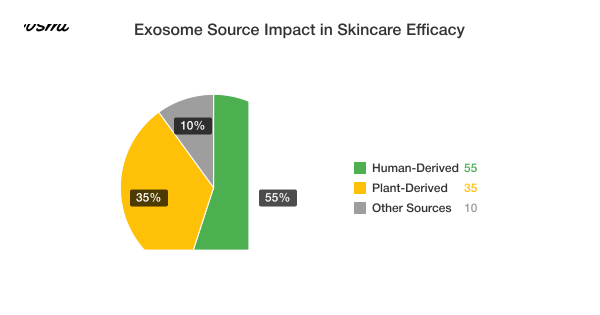
Exosome Origins in Skincare
Skincare primarily features two exosome categories: human-derived and plant-derived (or lab-made). Each offers a distinct profile regarding efficacy and benefits.
Human-Derived Exosomes: Potent Cellular Compatibility
Human-derived exosomes, sourced from adipose tissue, bone marrow, or umbilical cord stem cells, are widely considered the most potent. Their direct biological compatibility ensures reparative signals are readily recognized by human skin cells. These exosomes undergo rigorous isolation, purification, and testing for safety and effectiveness.
Such advanced exosomes are found in medical-grade products and professional treatments, like those from BENEV. Dr. Asmi Berry, a dermatologist, states that "unless exosomes are biologically active and clinically sourced, they are unlikely to deliver true regenerative results." Research confirms human-derived exosomes outperform plant or animal sources in regeneration, with BENEV, for example, boasting over 30 peer-reviewed publications. Top-tier human exosomes are ethically sourced from compliant US blood banks or umbilical cords, ensuring no donor material in the final, purified product.
Plant-Derived and Lab-Made Exosomes: Gentle Support
Conversely, plant-derived or lab-made exosomes are common in over-the-counter (OTC) skincare. While safe, these primarily offer hydration and gentle reparative support, improving texture and moisture barriers. They generally lack the potent, direct cellular signaling crucial for significant regeneration provided by human-derived exosomes. Most OTC serums aim for general skin health rather than deep cellular transformation.
Efficacy and Cost Implications
The distinction in exosome sourcing directly correlates with varying levels of efficacy and cost, guiding consumer choice.
| Feature | Human-Derived Exosomes | Plant-Derived / Lab-Made Exosomes |
|---|---|---|
| Source | Adipose, bone marrow, umbilical cord stem cells | Various plants (e.g., ginseng, green tea), lab cultures |
| Efficacy | Potent regenerative signaling, high compatibility | Hydration, gentle repair, antioxidant support |
| Primary Use | Medical-grade products, professional treatments | Over-the-counter (OTC) serums and creams |
| Cost (Serum) | Typically over $150, often significantly higher | More accessible, typically under $100-$150 |
| Clinical Proof | Extensive validation (e.g., BENEV's 30+ studies) | Focus on general skin health, less direct regenerative evidence |
Products with human-derived exosomes are considerably more expensive, often exceeding $150 for a serum, reflecting intricate sourcing and stringent manufacturing. NBC News highlights Plated Intense Serum for its human-derived exosomes, signifying their premium status. Edgebrook Dermatology also emphasizes BENEV's high purity and clinical validation in their treatments. Plant-derived options, being more budget-friendly, serve as a common entry point into exosome skincare.
The regenerative potential of an exosome product is directly tied to its source, with clinically-validated, human-derived exosomes offering superior results compared to their plant-based counterparts.
At-Home vs. In-Office: Maximizing Exosome Efficacy
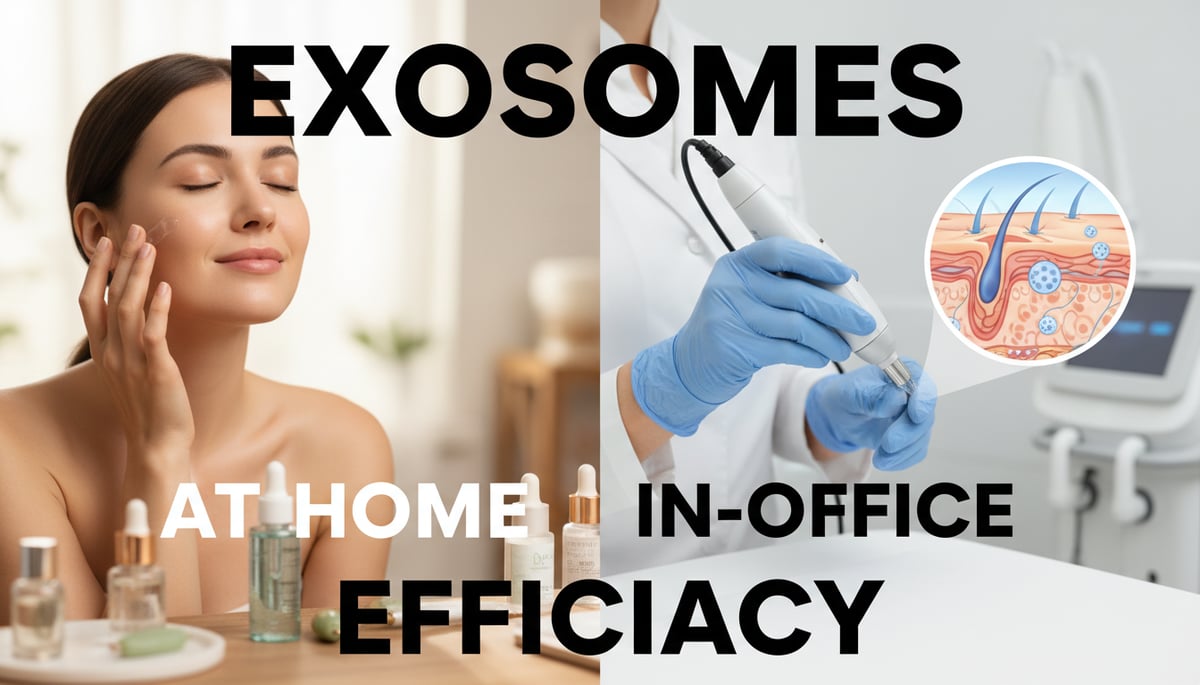
Understanding how to best integrate exosomes into your skincare routine is key to unlocking their full potential. While the promise of cellular repair is compelling, the method of application significantly influences the depth and impact of these powerful vesicles. It's a spectrum, with daily home use offering consistent support and professional treatments providing an intensive boost for advanced regeneration.
For everyday skin maintenance, topical exosome serums are an excellent choice. Applied as part of your regular regimen, these products deliver a daily dose of exosomes that help to support overall skin health. They work to enhance hydration, visibly reduce mild inflammation, and contribute to a more balanced, radiant complexion over time. This consistent, gentle approach is perfect for maintaining skin vitality and addressing minor concerns.
However, the skin's natural barrier can limit how deeply these topical formulas penetrate on their own. For those seeking the most profound regenerative effects, exosomes truly shine when applied in a clinical setting. This is where professional procedures create a pathway, allowing exosomes to reach the deeper layers of the skin where fibroblasts and other critical cells reside.
Consider treatments like microneedling, such as Potenza RF, or laser resurfacing. These procedures intentionally create microscopic channels within the skin. When exosomes are applied immediately after, they gain unprecedented access. This direct delivery enables them to initiate profound cellular communication, directly supporting the skin's natural healing and collagen-building processes. Dr. Mona Gohara notes that when exosomes are delivered through these open microchannels, effects on collagen production are "more pronounced."
The synergy between these advanced procedures and exosome application is remarkable. Combining Potenza RF Microneedling with exosomes has been shown to lead to quicker recovery and amplified results (Research Data). Dermatologists frequently prefer to use exosomes alongside in-office treatments precisely for this reason. Post-procedure, exosomes can significantly reduce downtime, minimize redness and inflammation, and effectively 'supercharge' the skin's natural repair mechanisms, leading to accelerated healing and superior collagen synthesis. Edgebrook Dermatology's page, for instance, highlights this crucial synergy between Potenza RF microneedling and BENEV exosomes. Even users in r/30PlusSkincare have reported using Benev exosomes post-laser for enhanced healing (r/30PlusSkincare Reddit Thread).
Note: While standard topical formulas offer benefits, their penetration for deep regenerative impact is often limited without assistance. Professional procedures bypass this barrier, ensuring exosomes reach their optimal targets.
Some innovative at-home products are beginning to bridge this gap by incorporating specialized delivery systems. For example, the Medicube One Day Exosome Shot Serum utilizes microscopic spicules to enhance penetration, mimicking, in a gentler way, the micro-channeling effect of professional treatments. These advanced formulas represent an exciting step forward, offering a more intensive home care option for those ready to elevate their routine beyond basic topical application.
Ultimately, choosing between at-home and in-office exosome treatments depends on your skin goals. For daily support and maintenance, topical serums are a valuable asset. But for truly transformative cellular repair, particularly when addressing deeper concerns like aging, scarring, or significant texture improvements, professional application post-procedure remains the gold standard.
To achieve superior cellular repair and accelerate recovery, exosome efficacy is maximized through professional, post-procedure application.
The Regulatory Minefield: FDA Warnings and Navigating Hype

Embracing the innovative potential of exosomes in skincare requires a discerning eye, especially given the current regulatory landscape. While the science behind cellular repair is exciting, it's crucial for consumers to understand the distinctions between promising research and marketed products. The reality is, no exosome product is presently approved by the U.S. FDA for cosmetic use.
This lack of specific approval means the market for exosome-containing skincare exists in a complex space. In 2020, the FDA issued a public warning targeting unapproved regenerative medicine products, which explicitly included those containing stem cells and exosomes. This warning highlighted significant concerns about misleading claims regarding their efficacy and safety (NBC News, 2020). Consumers were cautioned against products making unverified promises about cellular repair and rejuvenation without proper regulatory oversight.
Note: Because cosmetic products do not undergo the same rigorous pre-market FDA approval process as drugs, brands can sell them without proving efficacy upfront. This means the onus often falls on the consumer to verify product claims. As Dr. Michele Green (quoted in a beauty industry report) points out, there’s no requirement for a topical cosmetic to be proven effective.
This regulatory gap creates fertile ground for hype. The market is susceptible to "astroturfing," where brands actively recruit social media users for incentivized reviews. This practice can skew perceptions of a product's true performance. For instance, Reddit users on r/AsianBeauty exposed companies like GoSelly actively recruiting individuals for free products in exchange for reviews, demonstrating how easily consumer opinion can be influenced. Such tactics make independent, critical research absolutely vital.
To navigate this environment safely and effectively, prioritize transparency and validated claims. When considering an exosome product, look for brands that openly share information on:
- Sourcing: Where do their exosomes originate (e.g., plants, human cells, adipose-derived)?
- Manufacturing Standards: Are products produced in facilities adhering to Current Good Manufacturing Practices (cGMP)? Reputable brands like BENEV, for example, often highlight their production in FDA-registered, cGMP labs.
- Clinical Data: Do they provide accessible, peer-reviewed clinical studies or robust third-party testing to support their efficacy claims? Be wary of anecdotal evidence alone.
By exercising diligence in your product selection, you can move beyond unsubstantiated claims. Prioritize brands that offer clear, verifiable information about their products and manufacturing.
Making informed decisions empowers you to invest in products with genuine potential for cellular repair.
Integrating Exosomes: A Powerful Ally, Not a Replacement
The excitement surrounding exosomes in skincare is certainly palpable, offering a glimpse into advanced cellular repair. However, it's crucial to understand their precise role within an established skincare regimen. Exosomes are best utilized as a specialized support system, enhancing skin recovery and resilience rather than replacing foundational, proven actives. They are powerful allies designed to work with your existing routine, not in isolation.
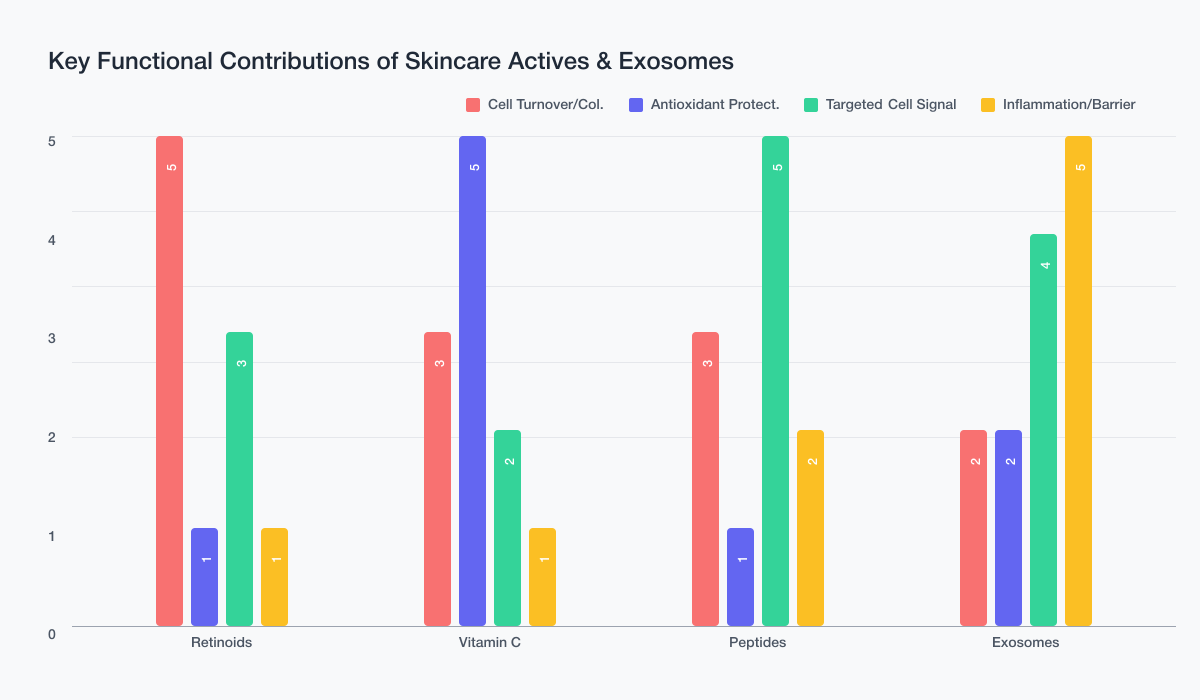
Consider the bedrock ingredients that dermatologists consistently recommend, such as retinoids, vitamin C, and sunscreen. These are not merely suggestions; they are backed by decades of research and demonstrable results. Dermatologists universally advise against substituting these essentials with exosome products (NBC News, 2024). Dr. Corey L. Hartman, for instance, explicitly states, "I wouldn’t recommend replacing products with antioxidants, retinol or sunscreen... with exosome products." This sentiment underscores that exosomes occupy a distinct functional space.
Let's clarify the different ways these potent ingredients interact with your skin:
| Ingredient | Primary Mechanism | Core Benefit |
|---|---|---|
| Retinoids | Accelerate cell turnover; stimulate collagen production | Address fine lines, wrinkles, acne, hyperpigmentation |
| Vitamin C | Potent antioxidant; brightens; supports collagen synthesis | Protects against environmental damage, evens tone, brightens |
| Peptides | Signal specific cellular actions (e.g., collagen repair, calming) | Target specific concerns like firmness, elasticity, soothing |
| Exosomes | Deliver diverse signaling molecules (proteins, lipids, mRNA) | Create an optimal microenvironment for cellular repair, reduce inflammation, strengthen barrier |
As this comparison shows, each ingredient possesses a unique pathway and delivers distinct benefits. Exosomes, with their broader and more complex signaling package compared to simpler peptides, don't perform the same functions as accelerating cell turnover or directly providing antioxidant defense in the same manner as retinol or vitamin C. Instead, they foster an environment where your skin's natural repair processes can operate more efficiently and effectively.
Exosomes function as a powerful complementary ingredient, significantly enhancing your skin's recovery and resilience. By reducing inflammation and fortifying the skin barrier, they prepare your skin to better receive and tolerate other potent actives. This synergy is particularly valuable for individuals navigating active treatment phases or those with inherent sensitivities. Dr. Asmi Berry notes that exosomes can make skin more resilient and better able to tolerate active treatments, leading to smoother integration of ingredients like retinol.
For sensitive skin or a compromised barrier, products incorporating exosomes can be particularly beneficial for soothing and strengthening. They help calm reactivity and build robustness, creating a healthier foundation. An excellent example of this targeted approach is the Skinfix Exo-Lotion, recommended by dermatologists for sensitive skin, which combines exosomes with other barrier-supporting ingredients to enhance overall skin resilience. This demonstrates how exosomes are being integrated into formulations designed for holistic skin health. As you build a routine focused on holistic skin health, exploring advanced skincare formulations that incorporate such synergistic ingredients can be highly beneficial.
Exosomes represent an exciting advancement, offering sophisticated cellular communication to optimize skin health. However, their true value lies in their ability to fortify your skincare routine, not dismantle it.
Frequently Asked Questions
Navigating new skincare solutions often brings specific questions to mind. Here, we address some common practical concerns about incorporating exosomes into your routine, helping you make confident, informed decisions.
How long does it take to see results?
Initial improvements, such as reduced redness and an increased glow, can often be observed within just one week. For more profound changes like improved skin texture and a reduction in fine lines, consistent use typically shows results within 4 to 8 weeks. This timeline aligns with skin cell turnover cycles, allowing the exosomes to facilitate deeper cellular repair (NBC News, 2024). Expect gradual yet noticeable enhancement.
Can I use exosomes while pregnant or breastfeeding?
Note: Due to a current lack of extensive safety data for these specific life stages, dermatologists strongly recommend avoiding exosome products during pregnancy and breastfeeding. This cautionary approach is similar to advice given for retinoids and other potent active ingredients (Dr. Asmi Berry, NBC News, 2024). Prioritizing safety is paramount.
Who benefits most from exosomes?
Exosomes offer significant advantages for individuals with mature skin, as the body's natural capacity for collagen production and inflammation reduction tends to slow with age (NBC News, 2024). They are also highly beneficial for anyone recovering from cosmetic procedures, supporting skin regeneration and calming post-treatment sensitivity. While suitable for all skin types (Viviana MD, 2024), those seeking advanced age-defying benefits or expedited recovery will find them particularly impactful.
Can exosomes be injected?
While some clinical settings explore exosome injections, this practice carries safety concerns including potential for scarring and infection. Reputable dermatologists and experts recommend sticking to topical application, whether through professional treatments (like post-microneedling) or reputable over-the-counter serums for at-home use (NBC News, 2024). Topical application provides a safer and highly effective way to leverage exosome benefits.
Addressing practical concerns about timing, safety, and ideal candidates empowers you to confidently integrate exosomes into your skincare journey.
Exosomes represent a fascinating frontier in skincare. They hold the undeniable promise of advanced cellular repair and regeneration, fundamentally reshaping how we approach skin health.
This emerging biotechnology, however, requires a discerning eye. While exosomes could move us beyond surface-level treatments by targeting cellular mechanisms directly, navigating this landscape demands a commitment to understanding the science.
Here are the key takeaways to remember:
- Exosomes are potent biological messengers, facilitating skin repair and regeneration at a cellular level by delivering over 2,000 signaling proteins.
- The efficacy and safety of exosome products are heavily dependent on their source, with human-derived exosomes showing the most robust scientific backing compared to plant-derived alternatives.
- The current market lacks FDA-approved cosmetic exosome products, necessitating caution and critical evaluation to distinguish genuine scientific promise from marketing hype.
While the scientific promise of exosomes for cellular repair is undeniable, their current cosmetic applications demand a cautious and informed approach. Scientific rigor, not just enthusiastic claims, must guide our choices in this evolving field.
As you consider integrating this innovative technology into your skincare regimen, empower yourself with knowledge. Prioritize products from reputable sources, seek transparency in their composition, and consult with skincare professionals. For those looking to explore cutting-edge solutions, brands dedicated to scientific integrity and cellular health offer a reliable starting point.
The future of cellular repair is indeed bright, and your informed decisions will pave the way for true efficacy and safety.
