Ethically Sourced Skincare: A Guide to Building a Transparent Supply Chain
Read about Ethically Sourced Skincare: A Guide to Building a Transparent Supply Chain on Cosmi Skin
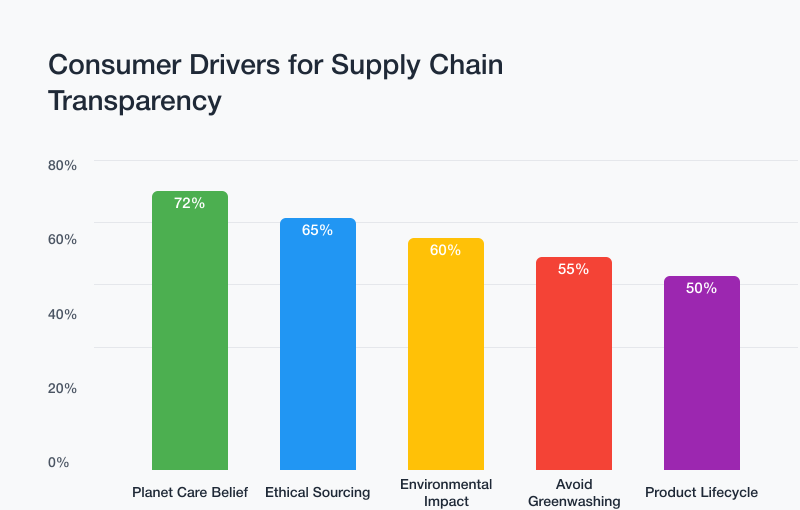
The demand for ethically sourced skincare is no longer a niche preference—it's a global movement. With a staggering 72% of consumers believing that individuals and corporations share the responsibility of caring for the planet, transparency has become a market mandate. For beauty brands, navigating the intricate web of global sourcing, avoiding the pitfalls of greenwashing, and ensuring genuinely ethical practices can be a formidable challenge. However, building a transparent and resilient supply chain is not just an operational task; it's a strategic imperative that builds trust, fosters loyalty, and creates a powerful competitive advantage. This guide provides a clear framework for embedding ethical sourcing into your brand’s core, transforming a complex challenge into a cornerstone of your success. Brands that champion this transparency, like those developing holistic solutions at Cosmi Skin, are setting new industry standards.
The New Consumer Mandate: Why Supply Chain Transparency is Non-Negotiable
Today’s consumers are more informed and empowered than ever. They don’t just buy products; they invest in brands that align with their values. They demand to know where their ingredients come from, how they are harvested, and whether the people involved are treated fairly. This shift has elevated supply chain transparency from a 'nice-to-have' to a non-negotiable aspect of brand integrity. Failure to provide this clarity can lead to accusations of greenwashing, eroding consumer trust that is incredibly difficult to regain. A transparent supply chain is no longer just about logistics; it's about authentic storytelling and verifiable proof of a brand's commitment to doing good.
Deconstructing Ethical Sourcing: The Four Pillars of a Responsible Supply Chain
Ethical sourcing is a holistic approach that balances environmental, social, and economic factors. It rests on four foundational pillars that work together to create a supply chain that is both sustainable and responsible.
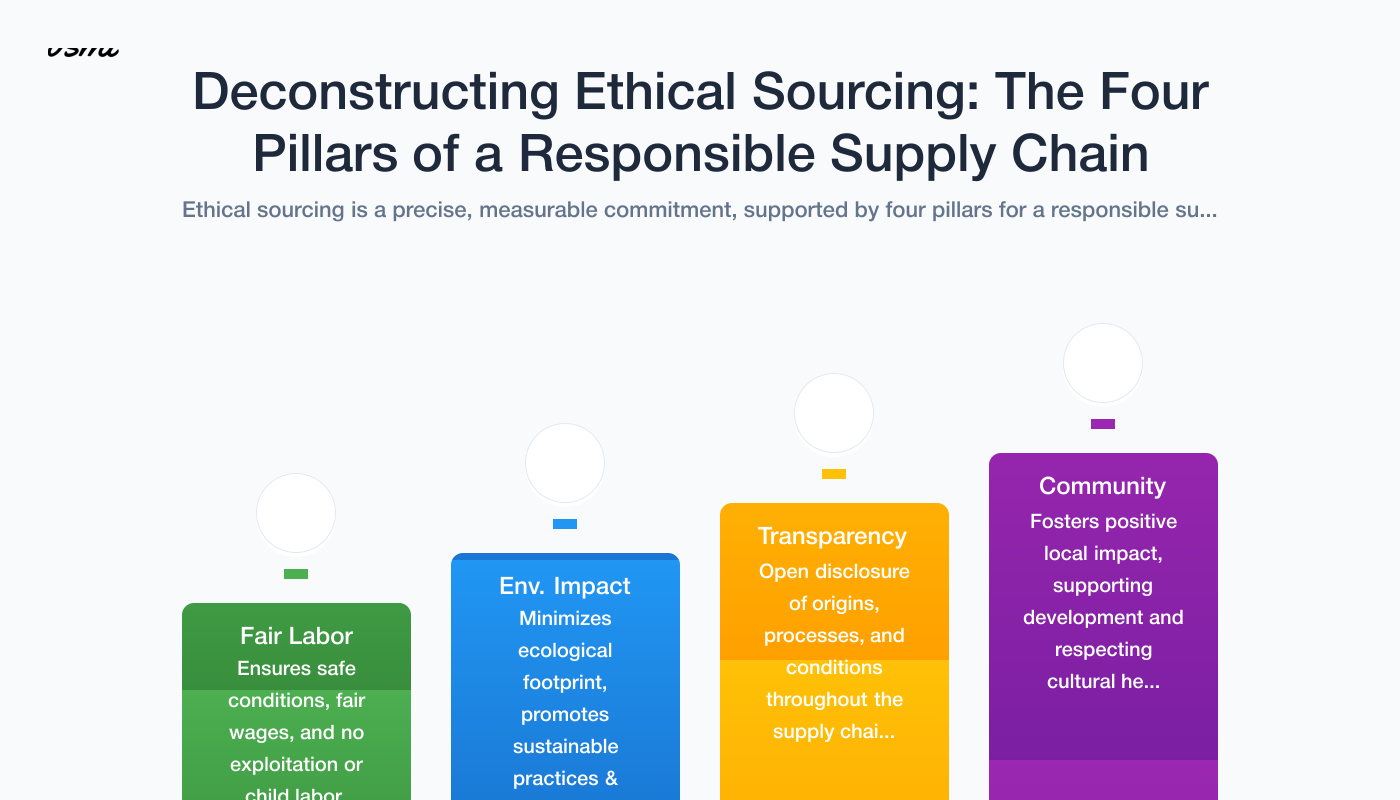
- Fair Labor and Community Engagement: This pillar ensures that everyone involved in the supply chain—from farmers to factory workers—is treated with dignity. It includes fair wages, safe working conditions, and a commitment to empowering local communities through economic opportunities.
- Environmental Stewardship: Responsible sourcing minimizes environmental harm. This involves sustainable harvesting practices that protect biodiversity, regenerative agriculture that restores soil health, and a conscious effort to reduce water usage, carbon emissions, and waste.
- Animal Welfare: For a brand to be truly ethical, it must ensure its practices are cruelty-free. This means no animal testing at any stage of product development and, for non-vegan products, ensuring that any animal-derived ingredients are sourced without harm.
- Transparency and Traceability: This is the pillar that holds the others together. It involves having full visibility into every step of the supply chain and being able to trace each ingredient back to its origin. This transparency is crucial for verifying claims and building unshakable consumer trust in your sourcing.
Building a Transparent Supply Chain: A Step-by-Step Framework
Creating an ethical supply chain requires a deliberate and systematic approach. Follow these five steps to build a foundation of trust and transparency from the ground up.
Step 1: Define Your Ethical Standards and Code of Conduct
Before you can enforce standards, you must define them. Create a comprehensive Code of Conduct that outlines your brand's non-negotiable requirements for environmental protection, labor rights, and animal welfare. This document will serve as the guiding star for all your sourcing decisions.
Step 2: Map Your Supply Chain
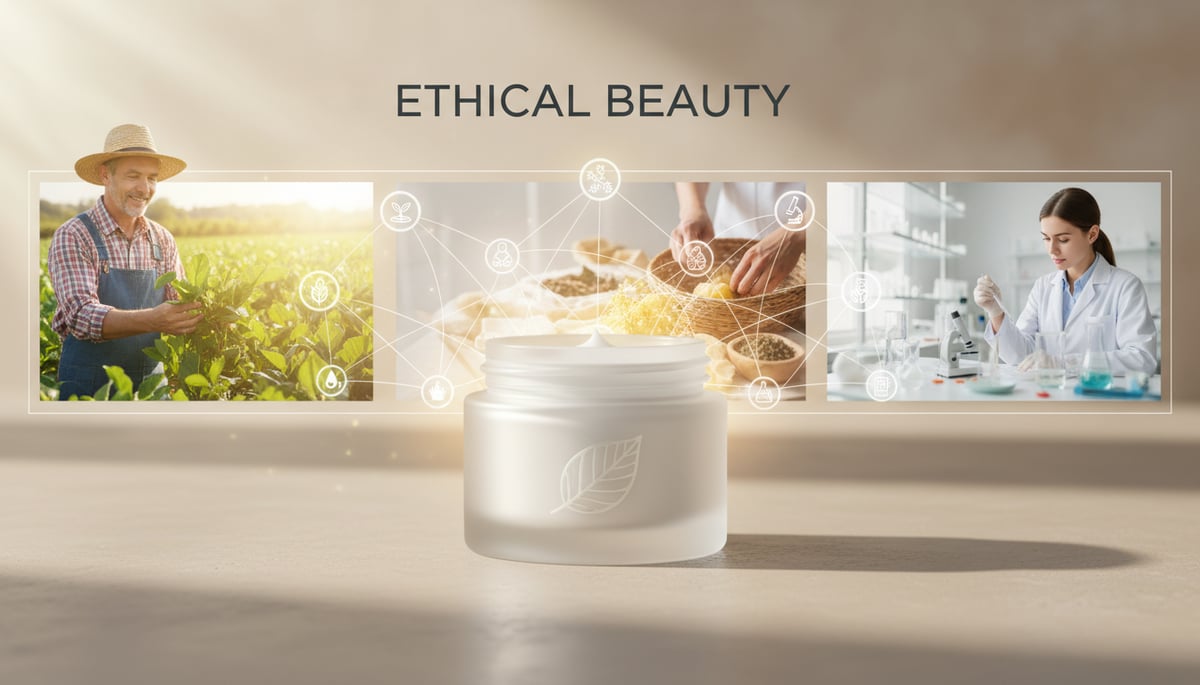
Begin the process of tracing your ingredients from the finished product back to the raw material source. Identify every supplier, manufacturer, and distributor involved. This critical step reveals the complexity of your network and highlights areas that require deeper investigation.
Step 3: Vet and Onboard Suppliers Rigorously
Don't take a supplier's claims at face value. Conduct thorough audits, request third-party certifications, and build direct relationships with your partners. An ideal supplier is one who not only meets your standards but also shares your commitment to ethical practices.
Step 4: Implement Traceability and Transparency Tools
Leverage technology to your advantage. Tools like blockchain, QR codes on packaging, and digital product passports can provide consumers with verifiable, real-time information about a product's journey. Following industry leaders on platforms like X can keep you updated on the latest innovations.
Step 5: Communicate Your Efforts Authentically
Transparency is about honesty, not perfection. Share your journey—including the challenges—with your customers. Brands like Beautycounter have built a loyal following by being open about their mission and progress. Use your website, social media, and product packaging to tell your sourcing story.
Navigating the Labyrinth: Overcoming Common Sourcing Challenges
The path to a fully transparent supply chain is rarely straightforward. Brands often face significant hurdles that require strategic planning and resilience to overcome.

- Lack of Visibility: Many supply chains are opaque beyond the first tier of suppliers, making it difficult to monitor practices at the farm or harvest level.
- Geopolitical Instability: Global events can disrupt supply chains, forcing brands to find alternative sources quickly without compromising their ethical standards.
- Ingredient Variability: Natural ingredients are subject to variations in quality and availability due to weather, pests, and other environmental factors.
- Cost Implications: Ethical sourcing can sometimes be more expensive upfront, requiring a long-term investment mindset that prioritizes value over cost.
The Role of Certifications in Building Trust
Third-party certifications are powerful tools for validating your ethical claims. They offer consumers a trusted, at-a-glance confirmation that a product meets rigorous standards. Key certifications to look for and obtain include:
- Fair Trade Certified: Ensures fair prices and community development funds for farmers and workers.
- Ecocert & COSMOS Organic: Guarantees environmentally friendly production, processing, and the absence of petrochemicals.
- Rainforest Alliance Certified: Focuses on biodiversity conservation, sustainable livelihoods, and human rights.
- Leaping Bunny & PETA: The gold standards for verifying that a product is cruelty-free and has not been tested on animals.
Retailer-led initiatives, such as the Clean at Sephora seal, also play a vital role in pushing the industry toward greater transparency and safer formulations.
The Future of Sourcing: Innovations for a Resilient Supply Chain
The future of sourcing is being shaped by cutting-edge technology and innovative thinking. Biotechnology is enabling the creation of sustainable, lab-grown ingredients that reduce reliance on threatened natural resources. AI-powered platforms are enhancing traceability and predicting supply chain disruptions before they happen. Furthermore, a growing movement toward local sourcing is helping brands reduce their carbon footprint and build stronger, more resilient community-based supply networks.
To learn more, explore these resources:
Conclusion: Ethical Sourcing as a Competitive Advantage
Building a transparent, ethical supply chain is no longer an optional extra—it is central to modern brand building. It requires dedication, investment, and a willingness to embrace complexity. However, the rewards are immense. Brands that lead with integrity and offer consumers a clear view into their practices will not only meet the demands of today's market but will also build a resilient, trusted, and profitable business for the future. Building a brand that consumers trust starts with a commitment to transparency, a journey we champion at Cosmi Skin.