Skincare Personalization: Ancient Elixirs to AI-Powered Precision
Read about Skincare Personalization: Ancient Elixirs to AI-Powered Precision on Cosmi Skin
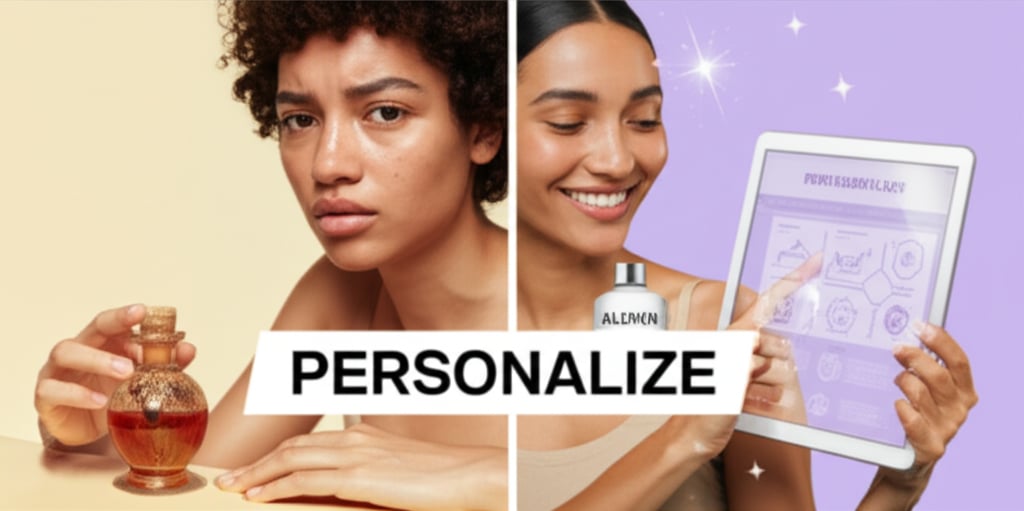
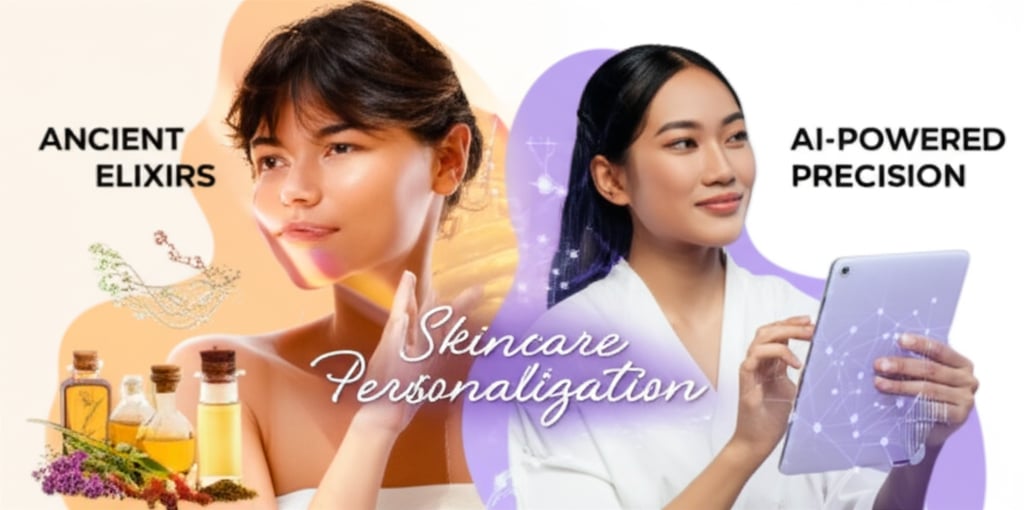
Achieving radiant, healthy skin has always been a fundamental human desire, deeply rooted in the tapestry of history. Yet, for countless individuals, this pursuit has often been a winding road filled with uncertainty, constant experimentation, and frequently, disappointment. Generic beauty recommendations and widely-advertised products often fall short, yielding lackluster results and a pervasive sense of frustration. Picture the common scenario: investing in a highly lauded sunscreen, only to discover it provokes an unexpected skin reaction. This recurring narrative, frequently shared in online forums, reveals how a product hailed as a "holy grail" by some can become a source of irritation for others due to distinct individual sensitivities. This vividly illustrates a universal dilemma: skin is profoundly personal, and its intricate needs vary dramatically from person to person. Indeed, research by McKinsey & Company indicates that a significant 71% of today’s consumers anticipate a tailored experience when making purchases, a demand that has entirely reshaped the beauty industry, propelling skincare from its ancient, intuitive origins into an age of AI-driven precision.
The Enduring Quest: Ancient Roots of Personalized Skincare
Long before the advent of modern laboratories and sophisticated digital diagnostics, our forebears inherently grasped the significance of customized remedies. Early civilizations meticulously developed skincare rituals, drawing upon ingredients readily available in their local environments. The Ancient Egyptians, celebrated for their elaborate beauty practices, incorporated a diverse array of natural elements: olive oil, honey, and aloe vera were foundational for hydrating and protecting the skin, while kohl served dual purposes as both eye adornment and a form of sun protection. Their practices were far from uniform; instead, they intuitively adapted treatments based on individual requirements and prevailing environmental conditions. This deep-seated understanding laid the groundwork for what we now recognize as skincare personalization.
Similarly, the Ancient Greeks and Ancient Romans integrated skincare seamlessly into their daily lives, valuing both its aesthetic appeal and its therapeutic advantages. They leveraged olive oil, beeswax, and various herbs to purify and nurture their complexions. The Greeks even embraced mineral-rich thermal springs, acknowledging their healing properties for specific dermal concerns. These nascent practices, though rudimentary by contemporary standards, underscore an intrinsic human recognition that effective skincare necessitates a degree of individual consideration.
Key Takeaway: The inherent human desire for personalized skincare is a timeless impulse, tracing its historical lineage back to natural, geographically-specific remedies.
The Scientific Awakening: Laying Modern Skincare Foundations
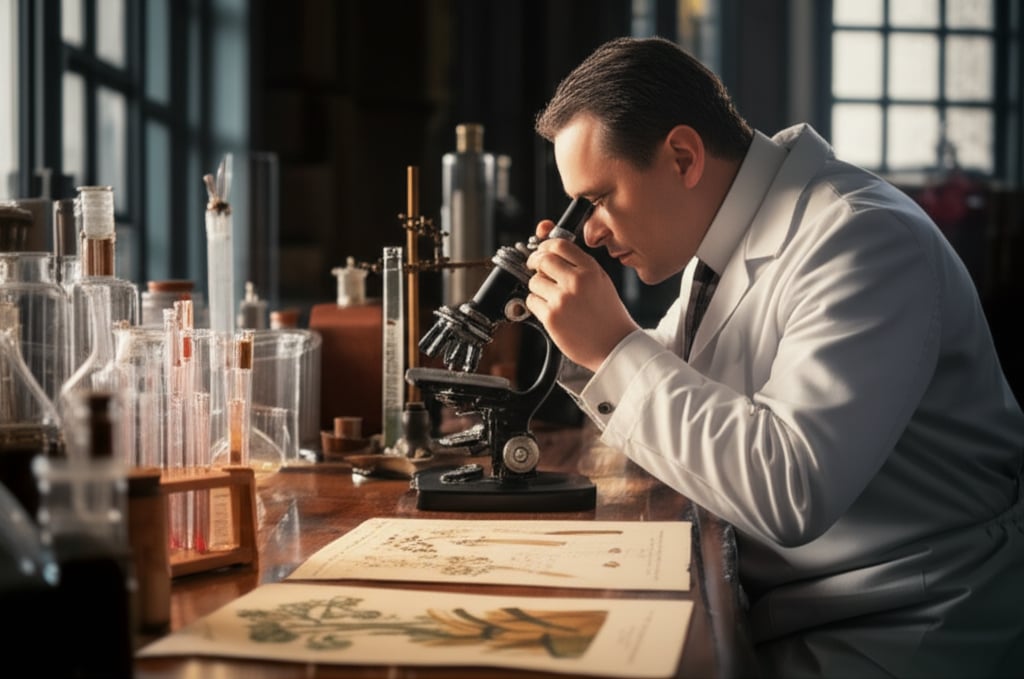
The 19th century marked a transformative era, as scientific inquiry began to unravel the complex biological mysteries of the skin. This period saw pivotal advancements in comprehending the underlying causes of skin conditions, shifting the approach to skincare from simple empirical observation to rigorous scientific methodology. For instance, the identification of Malassezia as the culprit behind dandruff directly led to the development of more targeted and efficacious anti-dandruff formulations. This progress wasn't just about finding a cure, but about understanding the precise biological mechanism at play, thereby paving the way for more accurate interventions.
The 20th century saw an dramatic acceleration of this progress. Dermatologists and scientists deepened their exploration into skin biology, genetics, and cellular processes. Groundbreaking innovations such as hyaluronic acid fillers for wrinkle reduction and the therapeutic application of lasers for various skin concerns emerged from this scientific renaissance. This era solidified the bedrock of modern dermatological science, transitioning from generalized applications to more targeted, though still broad, solutions. The focus began to evolve from merely concealing issues to understanding and treating them at a deeper, systemic level.
Key Takeaway: Scientific breakthroughs fundamentally reshaped skincare, transitioning it from traditional remedies to evidence-based treatments.
The Dawn of Digital: Tailoring Routines Before True AI
As the world progressed into the digital age, the concept of personalization began to gain renewed momentum. Early digital initiatives in skincare often manifested as online questionnaires designed to categorize individuals into broad skin types (e.g., oily, dry, combination, sensitive). These quizzes offered initial steps toward customizing product suggestions, assisting consumers in navigating the overwhelming multitude of choices. However, even with these tools, the level of personalization remained limited and could sometimes inaccurately represent the intricate conditions of individual skin.
Real-world insights gleaned from consumer discussions vividly underscore the limitations of one-size-fits-all recommendations. For example, individuals frequently struggle to discover sunscreens that perfectly complement their combination skin, or experience adverse reactions to ingredients like essential oils or specific alcohols found in popular formulations, even after careful patch testing. One user, after extensive searching, found certain Korean sunscreens to be their ultimate solution for hot, humid climates, while another experienced redness and bumps from a highly-regarded alternative, such as a product from Beauty of Joseon, with a very similar texture. These anecdotes emphasize that even with meticulous product selection based on common skin types, individual biochemical responses can vary wildly, revealing the critical need for more precise and genuinely customized approaches than early digital tools could provide.
Key Takeaway: Early digital tools introduced a foundational layer of personalization, yet they consistently highlighted the persistent challenge of genuinely matching products to diverse individual skin reactions.
The AI Revolution: Hyper-Personalized Skincare Routines Today
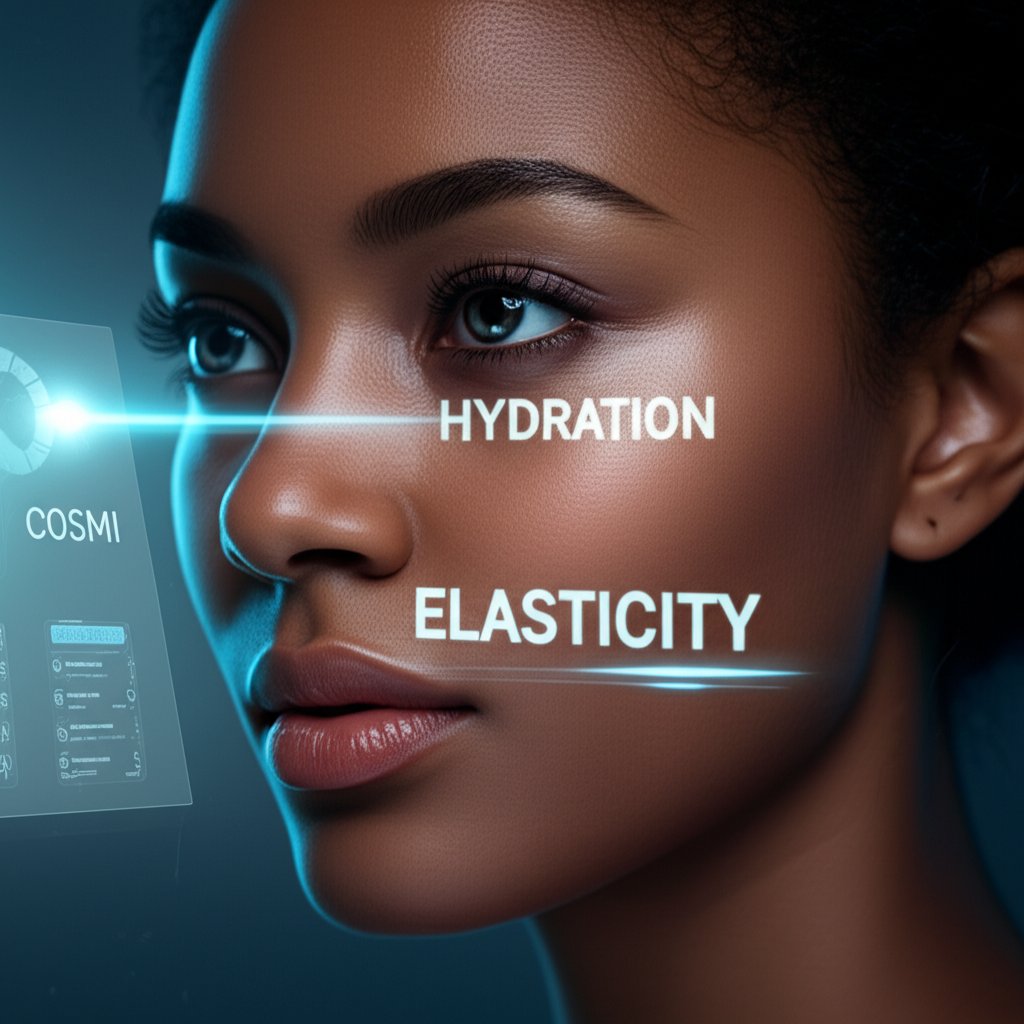
Today, artificial intelligence is propelling skincare personalization into an unprecedented era of precision. AI's remarkable capacity to process immense datasets and discern intricate patterns has fundamentally redefined our understanding and treatment of skin. This new landscape moves far beyond basic questionnaires, offering hyper-personalized experiences that are dynamic and highly responsive to individual needs.
Contemporary AI skincare solutions leverage sophisticated technologies for comprehensive skin analysis. These advanced tools can scan skin in real-time, accurately assessing conditions like acne, hydration levels, and signs of aging with remarkable detail. This rich, granular data then serves as the bedrock for crafting truly bespoke routines and recommending products that precisely align with a user's unique dermal profile. Beyond diagnostics, AI and augmented reality (AR) are transforming the consumer journey, providing virtual try-ons for makeup and hair colors, empowering users to visualize products before purchase, thereby minimizing guesswork and enhancing satisfaction.
An innovative platform like Cosmi exemplifies this groundbreaking paradigm shift. As a comprehensive AI skincare solution, Cosmi is meticulously designed to offer users personalized routines and facilitate optimal skin health through cutting-edge technology. Its core philosophy transcends generalized advice, delivering highly tailored, data-driven solutions. Cosmi employs an "AI Cosmetologist" and "virtual dermatologists" for detailed skin analysis, which underpins customized morning, afternoon, and evening routines, as well as specific product recommendations. This holistic approach ensures that every user receives guidance uniquely suited to their complexion and specific concerns. Cosmi is developed by The AI Company LLC.
Cosmi's key features and value propositions include:
- Personalized Skincare Routines: Generating custom routines and intelligent product recommendations that precisely match individual skin conditions.
- Detailed Skincare Reports: Offering over 7,676 reports for robust progress tracking, enabling users to visually monitor improvements and the efficacy of their routines over time.
- Timely Expert Tips: Delivering personalized notifications with expert advice to assist users in maintaining their radiant skin.
With impressive metrics such as 999+ active users, a 4.7/5 average rating, 85% efficiency, and 84% satisfaction, Cosmi effectively addresses common pain points like combating acne, achieving deep hydration and a healthy glow, diminishing dark circles, and soothing redness. Its value proposition is anchored in convenience, proven effectiveness, and a modern, data-driven approach to beauty. This represents a monumental leap from the generalized recommendations of the past, providing a pathway to truly transformative and data-backed skincare results.
Key Takeaway: AI is revolutionizing skincare by delivering hyper-personalized analysis, immersive virtual experiences, and custom routines, with platforms like Cosmi leading the charge.
Building Trust in a Digital Age: Ethical AI and Authentic Skincare
While AI presents immense potential, its swift integration into the beauty industry also introduces significant challenges, particularly concerning trust and authenticity. Online discussions frequently reveal a growing skepticism towards products marketed through seemingly ubiquitous, AI-generated content or suspiciously uniform reviews. Cases have emerged where businesses promote products with AI-fabricated images and testimonials, making it increasingly difficult for consumers to differentiate genuine offerings from deceptive schemes. This underscores the critical necessity for AI literacy among consumers and an unwavering commitment to ethical AI practices by brands.
Distinguishing between legitimate, scientifically-backed AI solutions and misleading marketing is paramount. Reputable AI platforms in skincare, often developed by dermatologists and researchers, prioritize clinical validation and transparency. For example, a board-certified dermatologist like Dr. Leslie Baumann introduced a clinically-validated skin type quiz, emphasizing the importance of understanding one's specific skin type (e.g., the 16 skin types system) to guide personalized product recommendations. Such expert-driven systems provide educational and informative advice, empowering users with accurate insights rather than false claims. The integration of AI must be accompanied by stringent verification processes and a clear dedication to consumer safety and data privacy, ensuring that technology genuinely enhances skincare rather than exploiting consumer trust.
Key Takeaway: Trust and ethical considerations are paramount in the age of AI, necessitating transparency and clinically-validated solutions to combat misinformation and maintain consumer confidence.
Beyond the Bottle: Sustainability, Inclusivity, and the Future's Mandate
The evolution of personalized skincare extends beyond individual routines to embrace broader societal and environmental principles. The beauty industry is increasingly responding to consumer demands for sustainability and inclusivity, with AI playing a supportive, enabling role in these pivotal movements.
Sustainable Beauty Practices: Consumers are actively seeking environmentally friendly brands; over 65% prioritize eco-conscious products, with 55% indicating a willingness to pay more for them. This powerful trend fuels innovations in biotechnology, where researchers replicate natural ingredients in laboratory settings to diminish land use, water consumption, and pollution associated with traditional sourcing. Companies like Algenist utilize biotech methods to produce ingredients such as Alguronic Acid from microscopic algae, offering sustainable alternatives that enhance skin health. Similarly, Evolved By Nature leverages renewably-sourced silk protein to create ingredients, like Activated Silk 33B, that replace petroleum-based alternatives.
Inclusivity and Diversity: The beauty industry is wholeheartedly embracing greater diversity, addressing historical disparities in representation and product offerings. AI-powered tools are now being rigorously trained on more diverse facial datasets to accurately recognize various skin tones, features, and hair textures, leading to superior shade matching for foundations and adaptive skincare recommendations for ethnicity-specific concerns. Brands like Fenty Beauty, renowned for its extensive shade range, and Ami Colé, which focuses on melanin-rich skin, are at the forefront of this movement, showcasing the profound impact of inclusive product development and marketing.
Men's Skincare: The traditional perception of skincare as exclusively for women has undergone a dramatic transformation. Men's skincare constitutes a rapidly expanding market, projected to reach $110 billion by 2030, driven by an escalating awareness of the importance of skin health. Brands are developing straightforward, effective product lines specifically for men, addressing concerns such as shaving irritation, oiliness, and signs of aging. AI can further personalize these offerings, ensuring men receive recommendations precisely tailored to their unique skin biology and lifestyle.
These interconnected trends collectively demonstrate a holistic approach to beauty, where personalized care is seamlessly integrated with a strong commitment to a more equitable and sustainable future.
Key Takeaway: The future of skincare harmoniously blends AI-driven personalization with a profound emphasis on sustainability, inclusivity, and the diverse needs of all consumers.
Charting Your Course: Crafting a Bespoke Beauty Journey
The remarkable journey from ancient elixirs to AI-powered precision has fundamentally transformed skincare from a universal quest into a deeply personal odyssey. No longer are individuals constrained by generic advice or one-size-fits-all products that may or may not suit their unique complexion. The true potency of modern skincare lies in its inherent ability to adapt, learn, and evolve in tandem with your skin.
Embracing personalized skincare, particularly through sophisticated AI solutions, empowers you to seize control of your skin health with unprecedented confidence. Imagine a regimen that not only comprehends your current skin condition but also intelligently anticipates its future requirements, dynamically adjusting to environmental shifts, lifestyle factors, and the natural aging process. This unparalleled level of responsiveness minimizes guesswork, maximizes effectiveness, and ultimately helps you achieve consistent, visibly superior results.
Platforms like Cosmi, with their advanced AI Cosmetologist and data-driven reports, represent the vanguard of this personalized beauty revolution. By analyzing your skin with meticulous precision and furnishing tailored routines and product recommendations, these technologies offer a clear and effective pathway to address concerns like acne, attain a lasting glow, diminish imperfections, and calm irritation. It’s about cultivating a sustainable, highly effective relationship with your skin, guided by expert insights and cutting-edge technology. The future of skincare is no longer a distant dream; it's here, and it’s meticulously customized just for you.
Key Takeaway: Leveraging AI-powered solutions for a bespoke beauty journey ensures more effective, responsive, and ultimately more satisfying skincare outcomes.
Frequently Asked Questions about Personalized Beauty Technology
1. How does AI analyze my skin for personalized recommendations?
AI platforms employ advanced computer vision and machine learning algorithms to meticulously analyze various facets of your skin. This often entails scanning selfies or utilizing specialized smart devices equipped with sensors and cameras. The AI can accurately detect and assess factors such as skin tone, texture, hydration levels, the presence of fine lines, redness, and acne. This comprehensive data is then cross-referenced against extensive databases of ingredients and product efficacy, enabling the system to recommend specific formulations and routines precisely tailored to your unique skin profile. Some advanced systems, like those incorporating Dr. Leslie Baumann's 16 skin types quiz, integrate detailed questionnaires to capture lifestyle and sensitivity data for an even more holistic assessment.
2. Are AI-powered skincare products safe and effective?
The safety and effectiveness of AI-powered skincare solutions are intrinsically linked to the scientific validation and ethical practices of the brand providing them. Reputable platforms integrate insights from experienced dermatologists and conduct rigorous testing. The primary benefit lies in the precision of the recommendations, which can lead to superior outcomes by helping users avoid ingredients that might trigger adverse reactions and by focusing on those known to be effective for specific concerns. However, it is paramount for consumers to remain vigilant and select platforms known for their transparency, scientific backing, and positive user experiences, much like the caution advised in online discussions regarding products with suspicious marketing tactics or AI-generated reviews. Always prioritize seeking evidence of expert involvement and clear explanations of how the underlying technology functions.
3. What are the benefits of a personalized skincare routine?
A personalized skincare routine offers numerous distinct advantages over a generic approach. Firstly, it ensures that every product and every step is specifically chosen to address your unique skin concerns, thereby maximizing effectiveness and minimizing wasted effort or expenditure on unsuitable products. Secondly, it significantly reduces the likelihood of adverse reactions by identifying and avoiding ingredients your skin may be sensitive to. Thirdly, personalized routines, especially those equipped with progress tracking features, enable you to observe tangible improvements over time, which boosts confidence and encourages consistency. Finally, modern personalized solutions can dynamically adapt to changes in your skin due to environmental factors, age, or lifestyle, providing responsive and evolving care. Platforms like Cosmi exemplify these benefits by delivering tailored regimens that help banish specific issues and achieve desired skin health goals.
4. Can AI help with specific skin concerns like acne or aging?
Absolutely. AI's remarkable capability to perform precise skin analysis makes it exceptionally effective for targeting specific concerns. For acne, AI can identify potential triggers, assess inflammation levels, and recommend ingredients and routines known to combat breakouts without excessively drying or irritating the skin. For aging concerns, AI can detect fine lines and wrinkles, analyze skin elasticity, and suggest products containing active ingredients like peptides, retinoids, or antioxidants that are optimally suited to improve skin plumpness and reduce the visible signs of aging. The inherent precision of AI means it can help craft a regimen that directly addresses these issues, frequently leading to more noticeable and lasting improvements than a generalized approach.
Tags
Related Articles

AI-Powered Customization: The Essential Future of Skincare
Demystifying AI in Skincare: Your Guide to Intelligent Algorithms